Last Updated on July 24, 2026 by Danielle Belleza
Several images come to mind when people think of a 50’s man. On one side stands the gray-flannel company man in a dark suit, crisp white shirt, narrow tie, fedora, and polished shoes. On the other is the leather-jacket rebel in cuffed jeans, a white T-shirt, boots, and slicked-back hair. Think the T-birds from Grease, though its version of the decade is more stylized nostalgia than a fully reliable record of how men actually dressed.
The postwar years produced a wardrobe that continues to inspire modern menswear, from tailored suiting and refined casualwear to iconic accessories and distinctive eyewear. While the decade is often remembered for a handful of familiar images, its style was far more nuanced than a single silhouette or stereotype. Understanding what men wore in the 1950s means looking beyond individual garments and exploring how clothing reflected changing lifestyles, cultural shifts, and evolving ideas of masculinity, many of which still shape the way men dress today.
The Postwar Ideal of the Well-Dressed Man Who Works
The early 50’s in the United States was characterized by society attempting to rebuild a stable postwar life. For many middle-class men, success was tied to becoming a dependable breadwinner, securing a corporate job, buying a home, and supporting a family. Conservative business clothing fits that ideal perfectly.
The Smithsonian notes that men’s suits were regarded as the “uniforms of American enterprise”. The working man in the 50’s wears his full suit religiously, often in charcoal, navy, brown, or gray flannel, with a jacket cut straighter and roomier than the closely fitted suits commonly seen today.
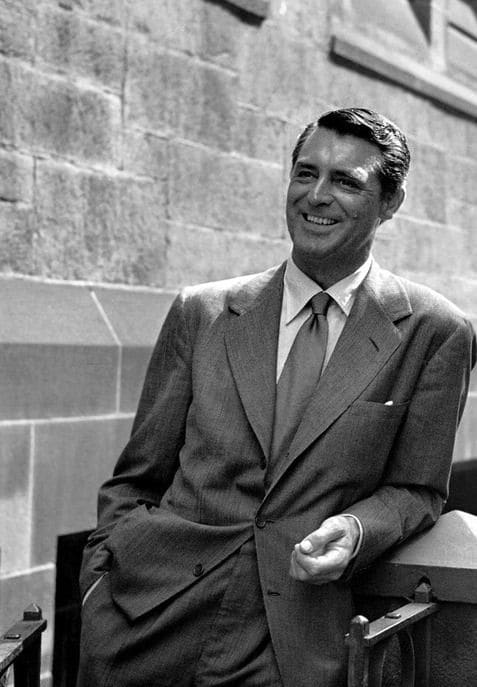
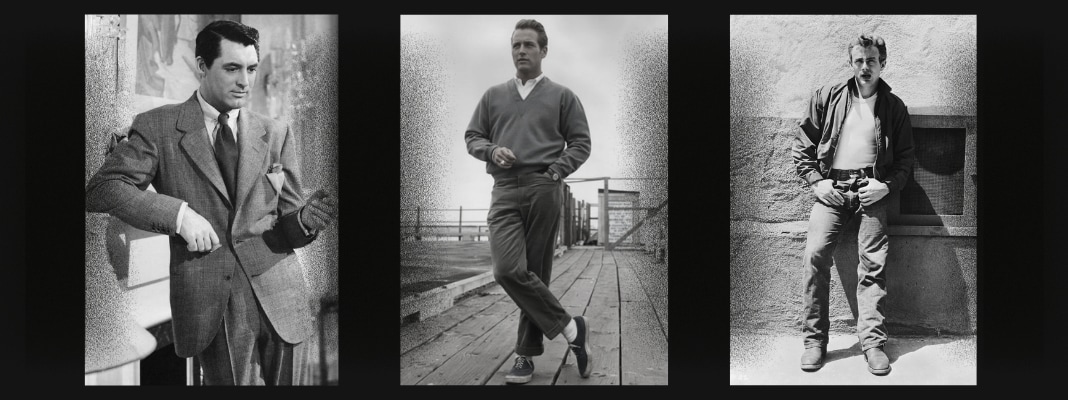
Cary Grant photographed in NYC by Ronny Jaques, 1949.
The early 1950s in the United States were shaped by a broad desire for stability after years of depression and war. For many middle-class men, success meant becoming a dependable breadwinner, securing a corporate position, buying a home, and supporting a family. Conservative business dress fit that ideal neatly, presenting its wearer as disciplined, respectable, and prepared to take his place within the postwar order.
The Smithsonian has described men’s suits as the “uniforms of American enterprise,” a phrase that captures how closely tailoring became tied to white-collar ambition. The office worker of the 1950s often relied on a full suit in charcoal, navy, brown, or gray flannel, worn with a crisp shirt, restrained tie, and polished leather shoes. Jackets were generally straighter and roomier than the closely fitted suits commonly seen today, creating a solid, composed silhouette that favored dependability over display.
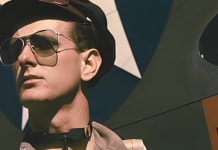
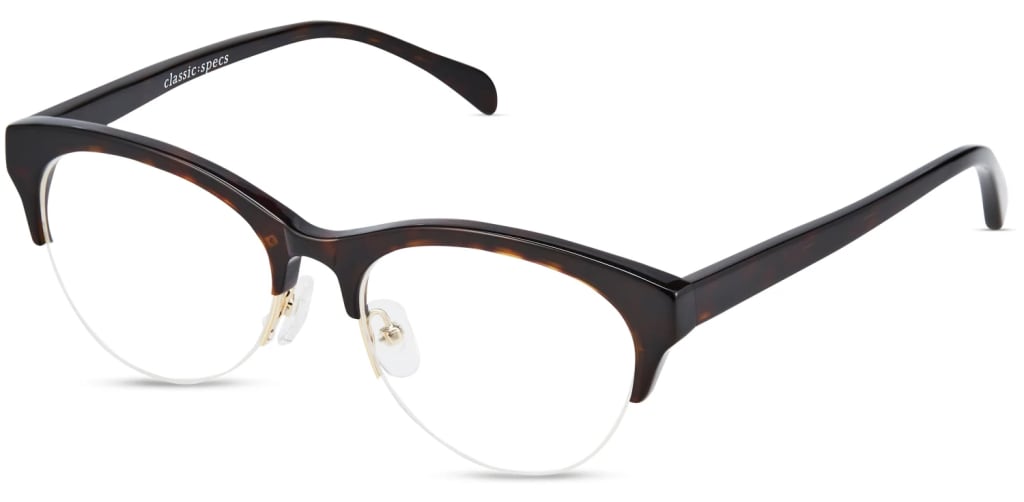
Classic Browline Frames
Casual Style Moves Beyond the Suit
Although the business suit remained the expected uniform for the office, church, and other formal occasions, it no longer dictated how men dressed every hour of the day. As the decade progressed, postwar prosperity brought more leisure time, suburban living, and family activities, creating a clearer distinction between workwear and weekend wear. Rather than replacing the suit, casual clothing grew alongside it, giving men greater flexibility while still maintaining a polished appearance.
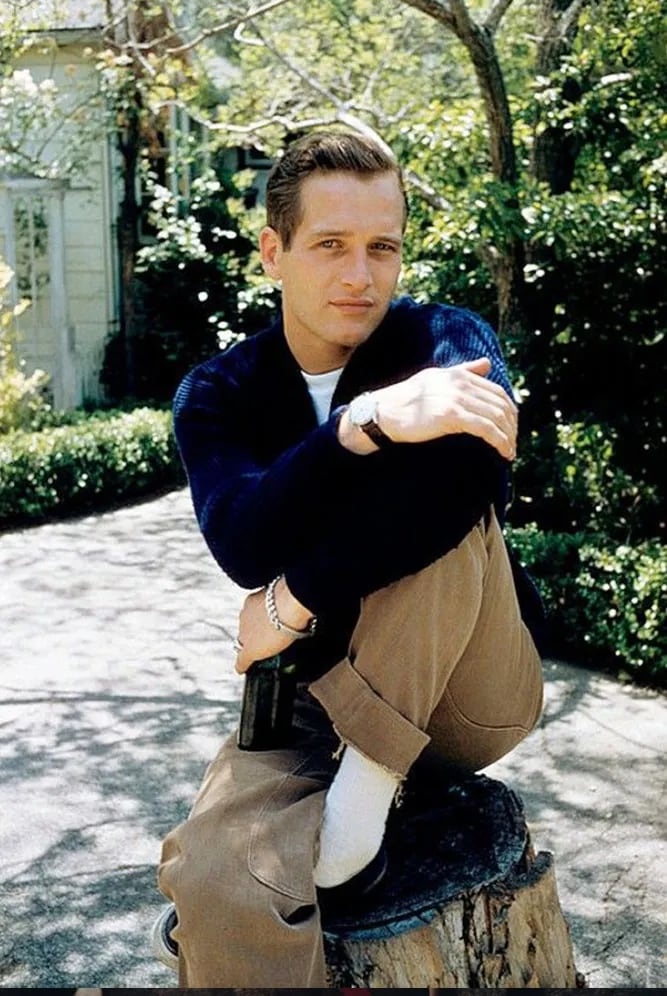
Paul Newman
The rise of American sportswear played a major role in that shift. Knit polos, camp-collar shirts, cardigans, chinos, loafers, lightweight jackets, and tailored shorts became staples for barbecues, vacations, sporting events, and evenings out. These pieces emphasized comfort without sacrificing neatness, proving that dressing casually didn’t have to mean looking unkempt. Even away from the office, the well-dressed man was still expected to appear put together, just with softer fabrics, lighter layers, and a more relaxed silhouette than his weekday suit demanded.
Youth Culture Changes the Mood
If Cary Grant represented the polished professional and Paul Newman embodied relaxed sophistication, James Dean stood for something entirely different. Off-screen, Dean rarely looked interested in the conventions of postwar menswear. His wardrobe favored plain white T-shirts, faded denim, flannel shirts, simple sweaters, bomber jackets, and worn leather boots. The pieces themselves were uncomplicated and inexpensive, yet he wore them with an effortless confidence that challenged the idea that a man needed a suit to look put together.
Dean’s appeal came from authenticity rather than refinement. Instead of carefully coordinated outfits, he embraced clothes that looked practical, comfortable, and lived in. His slightly rumpled appearance, tousled hair, and relaxed attitude felt refreshingly modern beside the pressed suits and polished shoes that defined the corporate ideal. For younger men especially, style became less about fitting in and more about expressing individuality.
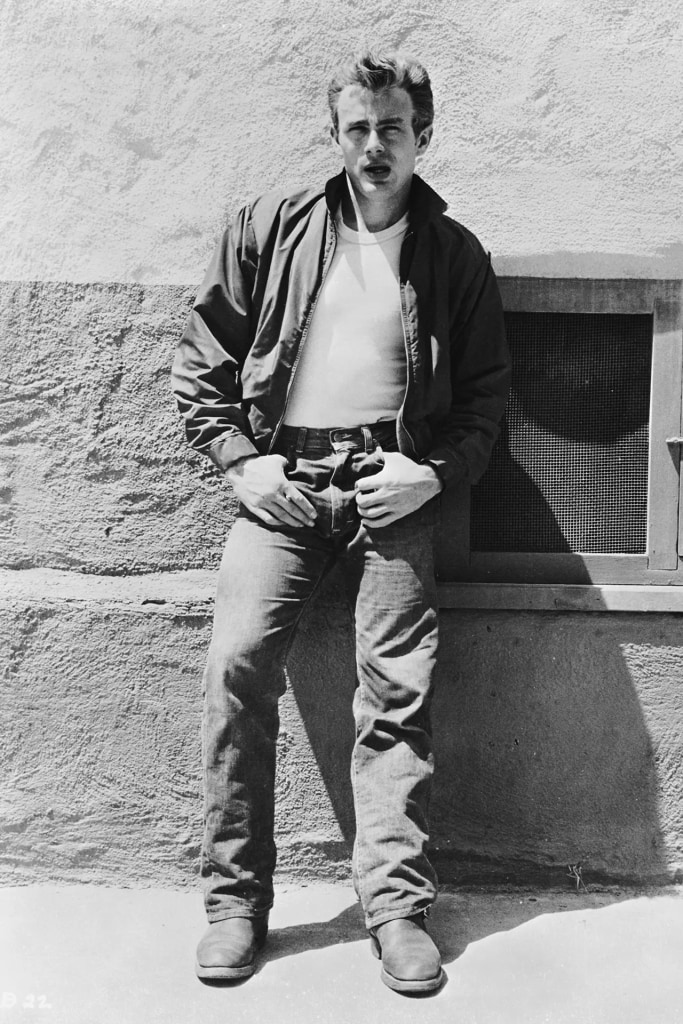
James Dean, John Kobal Foundation
Dean did not invent jeans and T-shirts. Blue-collar workers, military veterans, and farmers had worn them for decades, but he helped transform everyday workwear into a mainstream, lasting symbol of youth, confidence, and quiet rebellion.
The Lasting Legacy of 1950s Men’s Style
The lasting appeal of 1950s menswear isn’t that everyone dressed the same. It’s that the decade quietly established many of the style rules men still follow today. Whether it’s a navy blazer for work, a polo on the weekend, or a leather jacket thrown over a white T-shirt, modern menswear continues to draw from ideas that took shape during the 1950s. Looking back, the decade wasn’t defined by a single uniform but by the beginning of a more versatile masculine wardrobe.