Last Updated on September 23, 2026 by Danielle Belleza
Fashion month is in full swing. After New York Fashion Week and London Fashion Week, which wrapped three days ago, the fashion crowd has arrived in Italy for Milan Fashion Week Spring/Summer 2027, running from September 22 to 28.
One of the world’s leading fashion capitals, Milan brings together renowned designers, supermodels, celebrities, and fashion enthusiasts for a week of runway shows, exclusive events, and a preview of what’s next in fashion. With Prada, Gucci, Fendi, and Giorgio Armani on the calendar, there’s plenty to look forward to.
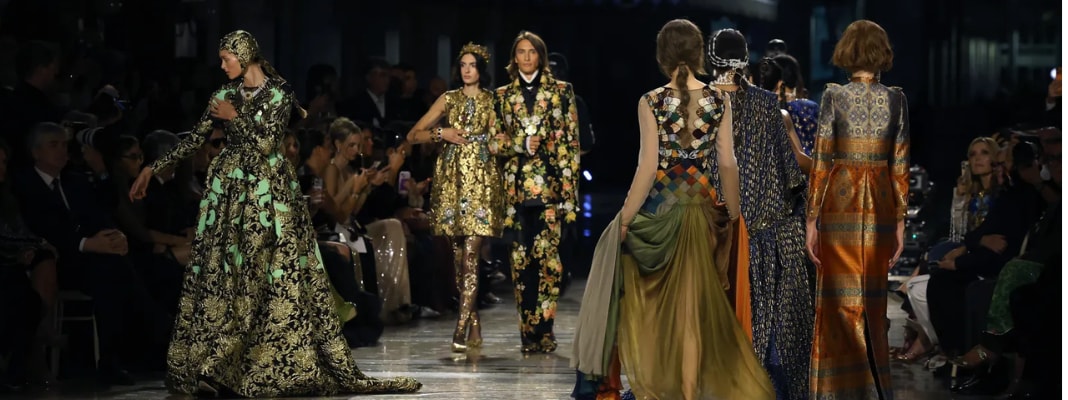
This season, however, the spotlight extends beyond the runway. Kicking off the festivities on September 22, Vogue World: Milano transformed the historic Galleria Vittorio Emanuele II into a celebration of Italian craftsmanship, bringing the country’s artisanal heritage and modern innovations to life.
It’s a fitting tribute to a country whose influence on fashion goes far beyond its famous designer labels. But how did Milan become the center of Italian fashion, and what gives Made in Italy its enduring appeal? The answer takes us back to Florence, through Italy’s manufacturing history, and into the glamorous world of high fashion.
Before Milan Fashion Week, There Was Florence
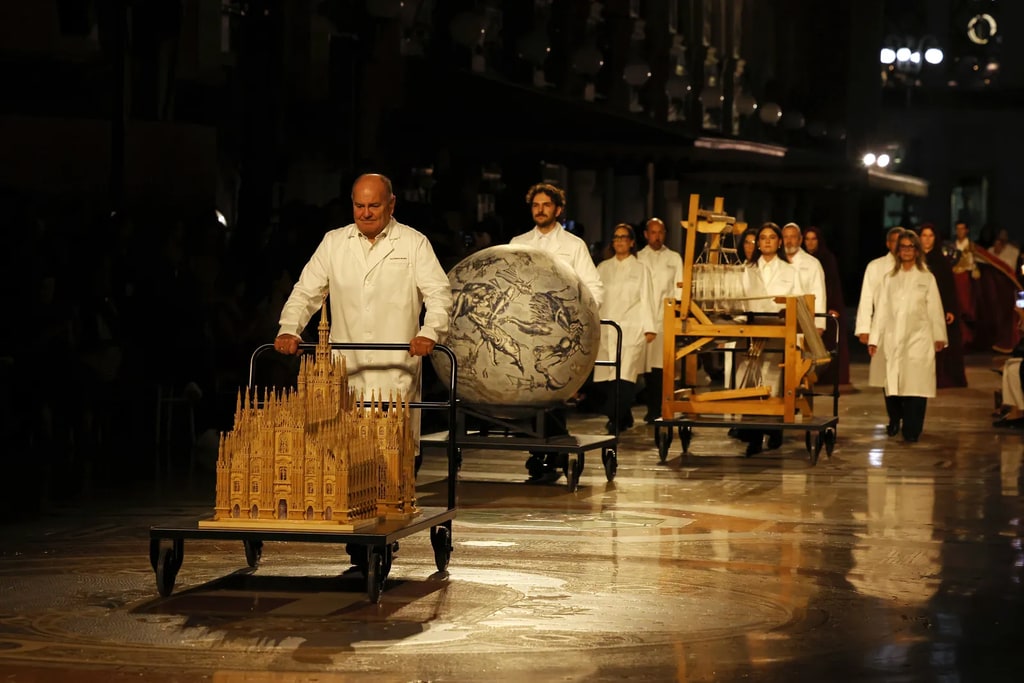
Artisans with three objects: the duomo, celestial globe, the loom. Photo: Stefania M. D’Alessandro/Getty Images
Long before Milan became Italy’s fashion capital, Florence was introducing Italian design to the international stage. On February 12, 1951, businessman Giovanni Battista Giorgini organized a landmark fashion presentation at his Florence residence, Villa Torrigiani, inviting American buyers and journalists to discover the work of Italian designers.
Its success helped establish Italy’s international fashion reputation, with subsequent shows moving to Florence’s historic Palazzo Pitti in 1952. But as ready-to-wear fashion gained momentum in the 1970s, the industry’s attention began shifting toward Milan. With its established manufacturing connections and growing community of designers, the city offered new opportunities for fashion production and commercial expansion. Designer Walter Albini helped lead this transition by moving his presentations from Florence to Milan in 1971, paving the way for the city’s emergence as the fashion capital we know today.
Milan, Home of Made in Italy
Milan’s rise to fashion capital wasn’t simply a matter of attracting famous designers. Its greatest advantage was its proximity to northern Italy’s established manufacturing network, where textile mills, skilled artisans, factories, and fashion houses worked in close collaboration. From Como’s silk industry to Biella’s wool producers, these connections allowed Milanese designers to experiment with materials, refine their designs, and bring ready-to-wear collections to an international market. The city’s production capabilities, combined with its creative talent and commercial expertise, helped establish the reputation behind the Made in Italy label, a mark associated with exceptional craftsmanship, sophisticated design, and attention to detail.
Gucci Jumpsuit, Made in Italy Tag
Today, Made in Italy represents a tradition that extends from luxury clothing and leather goods to beautifully crafted eyewear. It’s also taking on renewed meaning in the age of artificial intelligence. At Vogue World: Milano, creative director Juan Costa Paz explored the relationship between technology and craftsmanship, emphasizing the importance of human imagination as AI transforms creative industries. The message is especially relevant to Italian artisans, whose expertise combines generations of experience with modern manufacturing techniques.
That same tradition inspires Classic Specs, which sources premium cellulose acetate from northern Italy, home to renowned manufacturers such as Mazzucchelli. With roots dating back to 1849, Mazzucchelli has become internationally recognized for its acetate production and material innovation. It’s a fitting reminder that Italian craftsmanship isn’t limited to the runway.
Shop Italian Acetate Frames


Milan Fashion Week and the Rise of the Supermodel
Of course, Milan Fashion Week wouldn’t be complete without a little star power. During the 1970s and 1980s, designers like Giorgio Armani and Gianni Versace helped transform Milan into an international fashion destination. Armani introduced his signature approach to relaxed tailoring, while Versace embraced bold prints, glamorous silhouettes, and theatrical runway presentations. By the 1990s, the supermodel phenomenon had taken over, with Naomi Campbell, Cindy Crawford, Claudia Schiffer, and Linda Evangelista becoming household names. One unforgettable moment came in 1991, when Versace sent Campbell, Crawford, Evangelista, and Christy Turlington down the runway together to George Michael’s Freedom! ’90. Their influence extended beyond designer collections, turning everything from runway outfits to off-duty sunglasses into fashion inspiration.
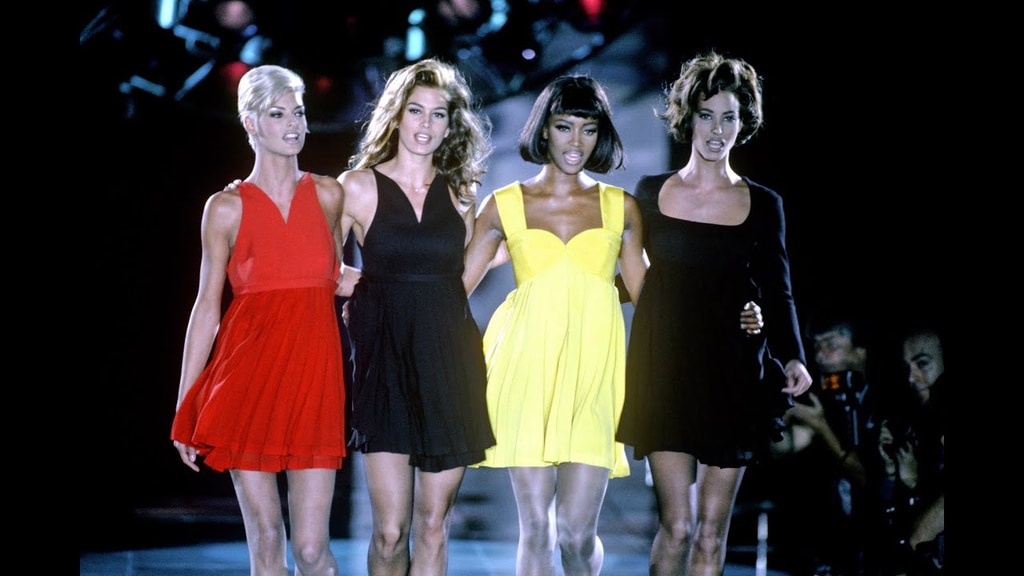
Linda, Christy, Cindy, and Naomi Sing “Freedom! ’90” at Versace
The supermodel phenomenon is still very much alive, as this season’s Vogue World: Milano demonstrated. Gigi Hadid opened the show, while Italian supermodels Vittoria Ceretti and Mariacarla Boscono joined Helena Christensen, Alex Consani, and other international runway stars. Ceretti paid tribute to Italian fashion heritage in archival Valentino Haute Couture before returning in a custom Prada creation, bringing the country’s past and present together on the runway.
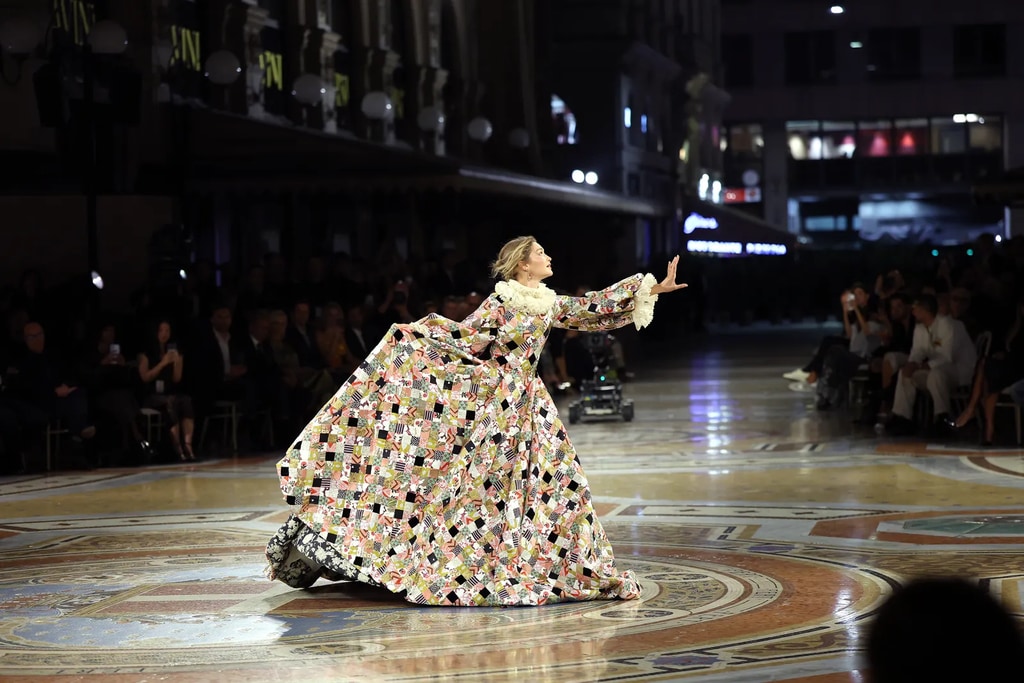
Photo: Daniele Venturelli / Getty Images. Gigi Hadid in Valentino couture.
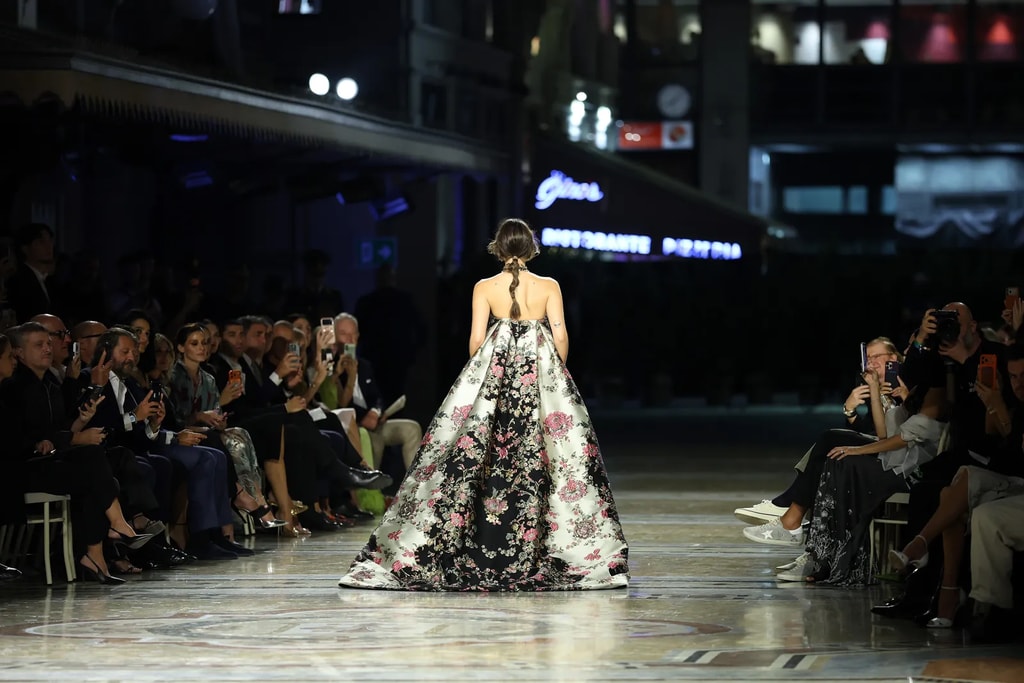
Photo: Daniele Venturelli / Getty Images. Vittoria Ceretti in Valentino couture.
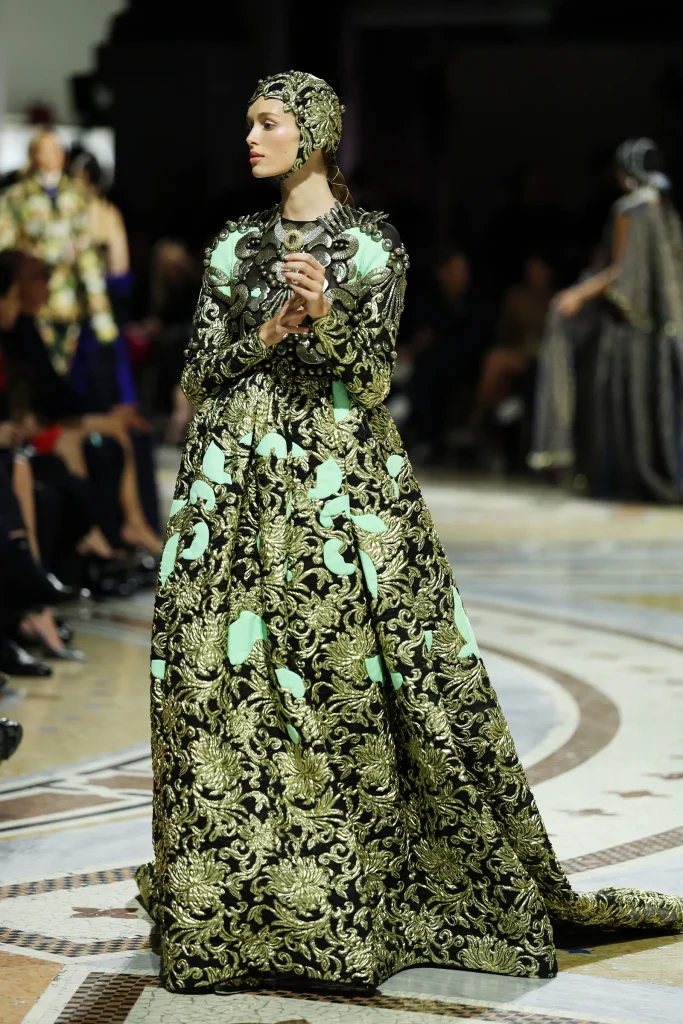
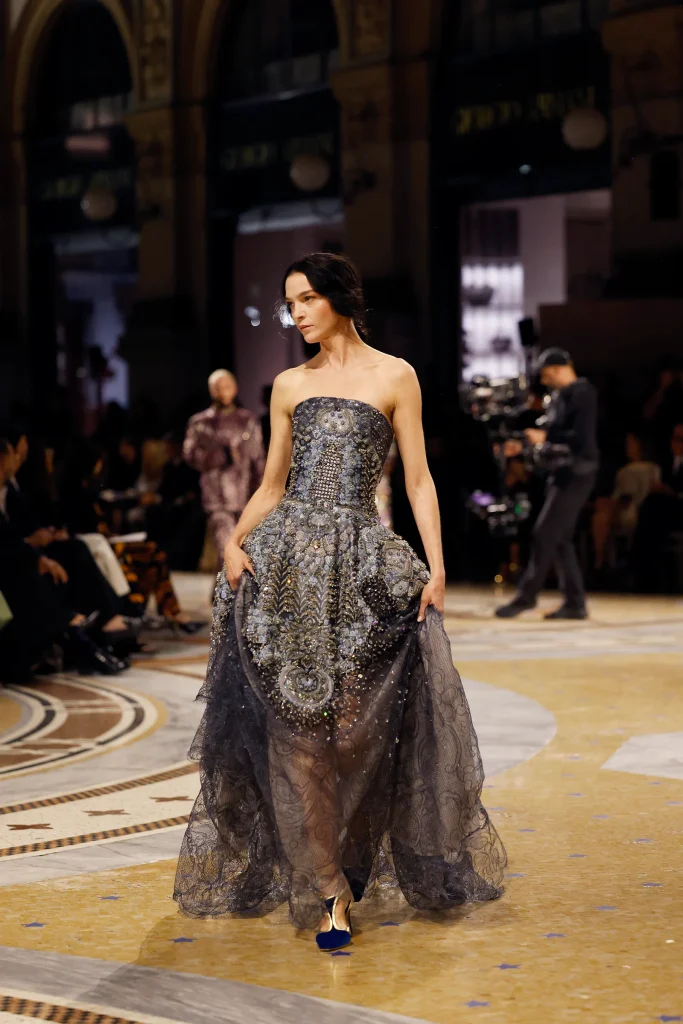
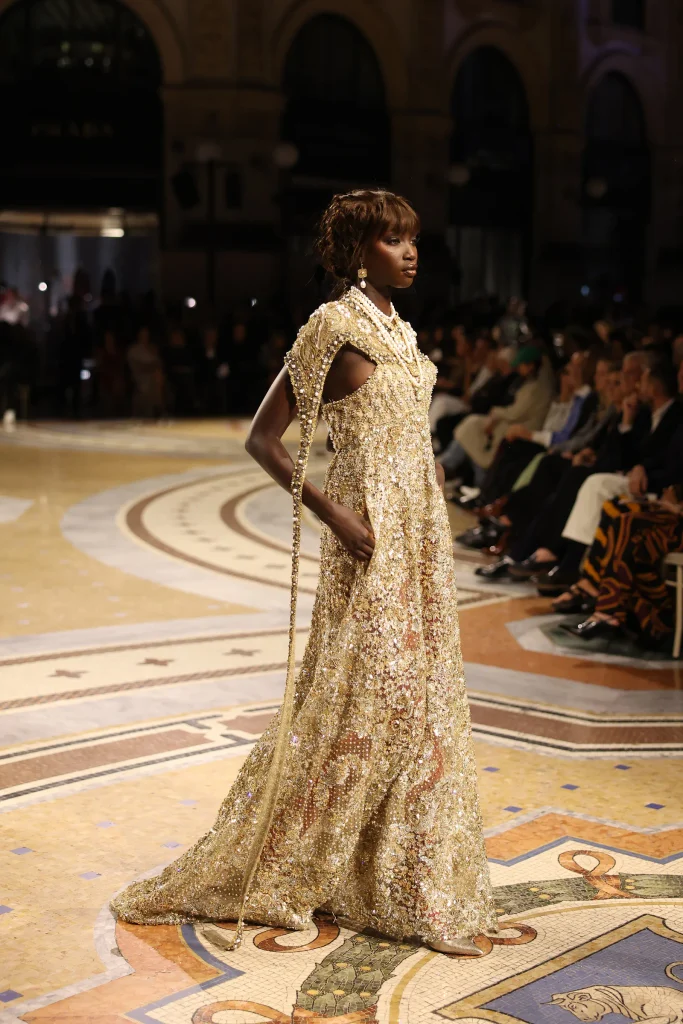
Stella Hanan in Valentino couture. Mariacarla Boscono in Armani Privé couture. Anok Yai in Valentino couture.
Beyond the famous faces, Milan Fashion Week SS27 continues to celebrate the details that make an outfit memorable, from experimental silhouettes to statement accessories. Prada’s collection, for instance, featured asymmetrical sunglasses, proving that eyewear deserves its own moment in the fashion spotlight.
Milan Fashion Week is more than a showcase of designer collections. It’s a celebration of Italy’s fashion heritage, where generations of craftsmanship meet creative expression. From Florence’s early fashion shows to Milan’s glamorous runways, the Made in Italy tradition continues to influence how we dress and express ourselves.