Last Updated on July 12, 2026 by Danielle Belleza
The women are bringing drama to the court.
Through their player entrances, match kits, and carefully styled on-court details, to be specific.
Women in tennis have been playful with their match kits for decades. American champion Chris Evert’s famous white lace mini dress from the 1971 US Open remains one of the sport’s most talked-about fashion moments, especially with the matching white ribbon she wore in her ponytail during her match against Billie Jean King.
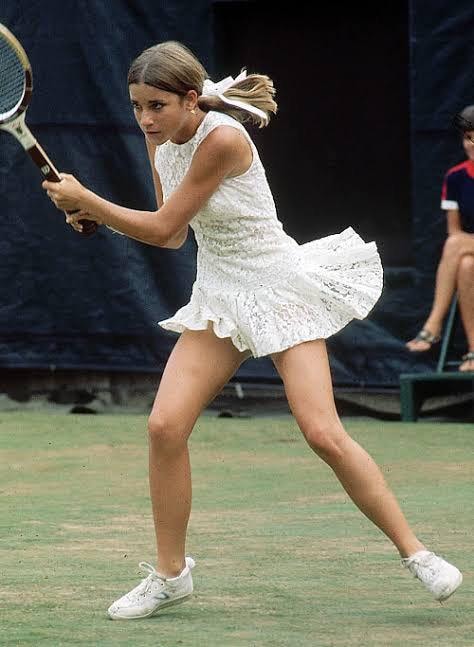
Chris Evert at the 1971 US Open
With constant media attention, sportswear sponsorships, and celebrity appearances around the sport today, there now seems to be an unspoken expectation for tennis players to show up with elegance and style. Their platform gives every outfit, accessory, and entrance moment more weight. Some players wear custom designs to honor their heritage, while others express themselves through silhouettes designed by them, as well as details, and styling choices that feel distinctly their own.
Wimbledon’s dress regulations, organized by the All England Club, may leave little room for color, yet players have found creative ways to showcase their identity through tailoring, accessories, and custom design beyond the all-white dress code rule.
Heritage in Every Detail
Naomi Osaka
@naomiosaka/Photographed by Sebastian Arriagada
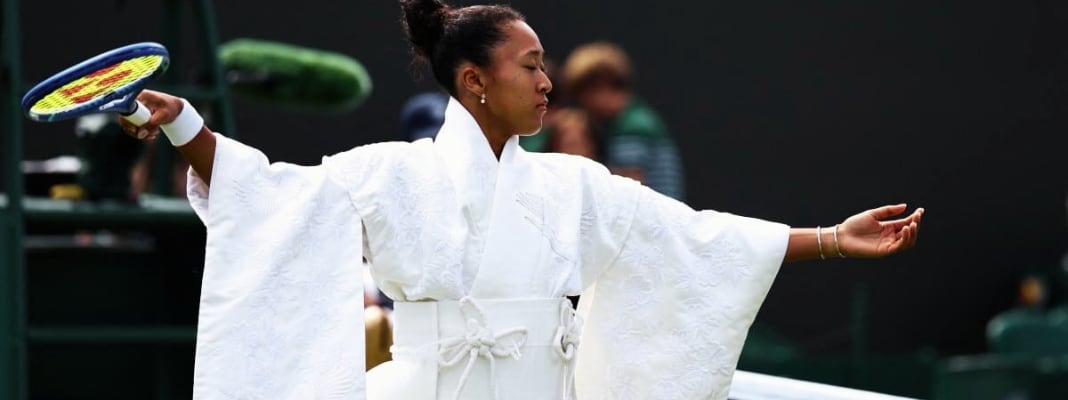
Few players blend fashion and storytelling as naturally as Naomi Osaka. Born to a Haitian father and a Japanese mother, Osaka represents Japan in international competitions and often incorporates Japanese design influences into her match kits.
One of her most memorable Wimbledon looks featured a custom design by Hana Yagi for Nike, drawing inspiration from traditional ceremonial dress through kirigami-inspired pleating, floral appliqués, and kimono-inspired details.
@naomiosaka/Instagram
Alex Eala
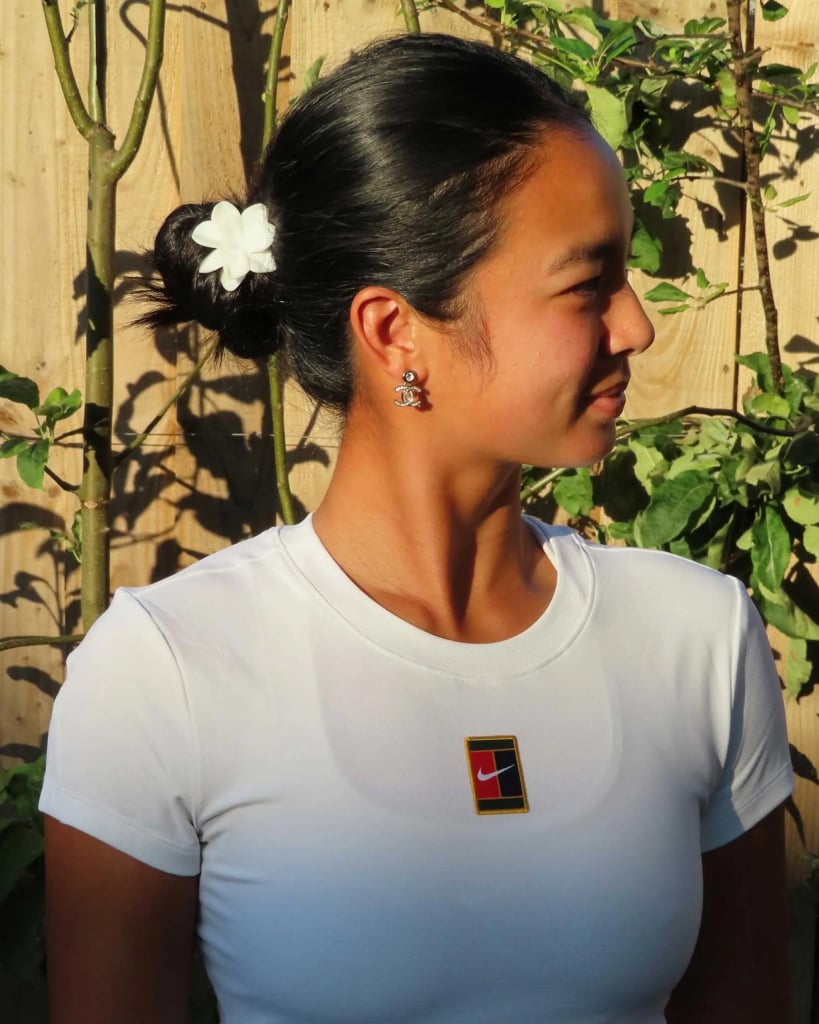
@alex.eala/Courtesy of Nike
One of the newest faces on the international tennis stage is Filipino professional player, Alexandra Eala. She entered Wimbledon 2026 as the 29th seed and went on a historic run, becoming the first Filipino player to reach the fourth round of a Grand Slam.
Ahead of her debut match, Nike gifted her a customized hair tie decorated with a sampaguita, the Philippines’ national flower. It came with a note that read, “Here you are, a Filipina on the grass courts of history. Not just playing for herself, but carrying a nation in full bloom.”
Nike By You x Alex Eala “In Full Bloom”
Personal Style in Play
Marta Kostyuk
Ukrainian tennis player Marta Kostyuk also teamed up with Wilson to create one of her most exciting kits of 2026, a signature dress named after her. Wilson introduced the Marta Dress as a symbol of the “next era of athlete-led design,” reflecting Kostyuk’s direct role in shaping both its performance features and distinctive style.
The kit pairs built-in support and liner shorts with technical lace designed for sweat resistance and four-way stretch. Though the dress looks delicate, its construction is made to withstand movement and competition. The full-scoop silhouette gives generous coverage, while the cami bra beneath lines up precisely with the lace pattern for a seamless finish. A voluminous two-tier skirt appears to float, and the monochrome ivory palette draws attention to the fabric’s layered texture.
At its core, the Marta Dress shows what can happen when athletes take the lead in the design process.


Wilson’s Marta Dress
Taylor Townsend
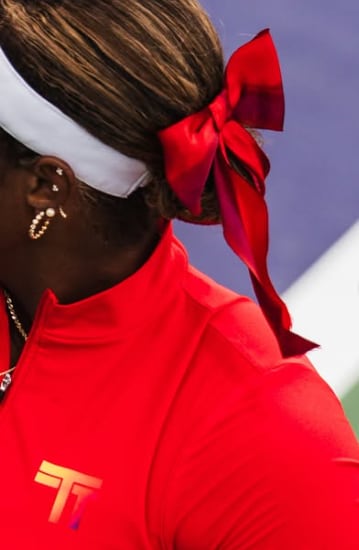
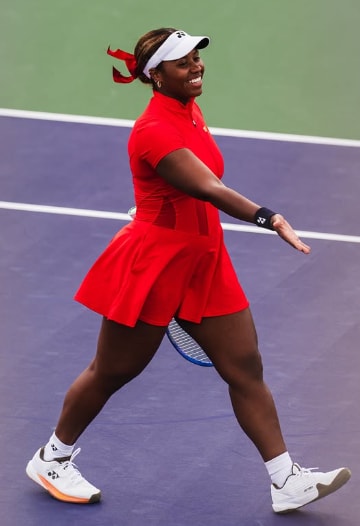
Another tennis star bringing her own vision to the court is Taylor Townsend, who showcases custom kits through her TT apparel line, developed in collaboration with creative director Talton Alexander-John Ballard.
Townsend debuted the TT-branded line at Roland-Garros in 2025 after deciding to create her own matchwear while competing without an official clothing sponsor.
@tay_taytownsend/Instagram
At Roland-Garros, Taylor shows off her bold, colorful match kits through playful silhouettes that bring a sense of personality to the court. Breathable mesh fabrics and movement-friendly details keep the looks practical for competition while giving each outfit a lighter, more expressive feel.
Aryna Sabalenka
ARYNA AO/26 earrings, Material Good
The connection between tennis and fine jewelry stretches back to the 1978 US Open, when Chris Evert’s diamond line bracelet slipped from her wrist during a match. Play was paused while officials and players searched the court for it, and the incident helped popularize the name “tennis bracelet” for the slim, flexible row of diamonds she wore. Evert had already made delicate jewelry part of her on-court look, but that memorable interruption turned the bracelet into one of the sport’s most enduring fashion symbols.
Decades later, Aryna Sabalenka has taken on-court accessorizing much further. Dangling earrings, layered necklaces, stacked bracelets, and gemstone studs have all appeared alongside her match kits, showing that fine jewelry can hold its place even in a sport built around speed and constant movement. Her jewelry partnership with Material Good feels especially fitting. Founded in New York by Rob Ronen and Michael Herman, the luxury boutique grew out of their backgrounds in diamonds, watches, and private jewelry sales, becoming known for rare timepieces, fine jewelry, and custom pieces presented in an intimate Soho setting.
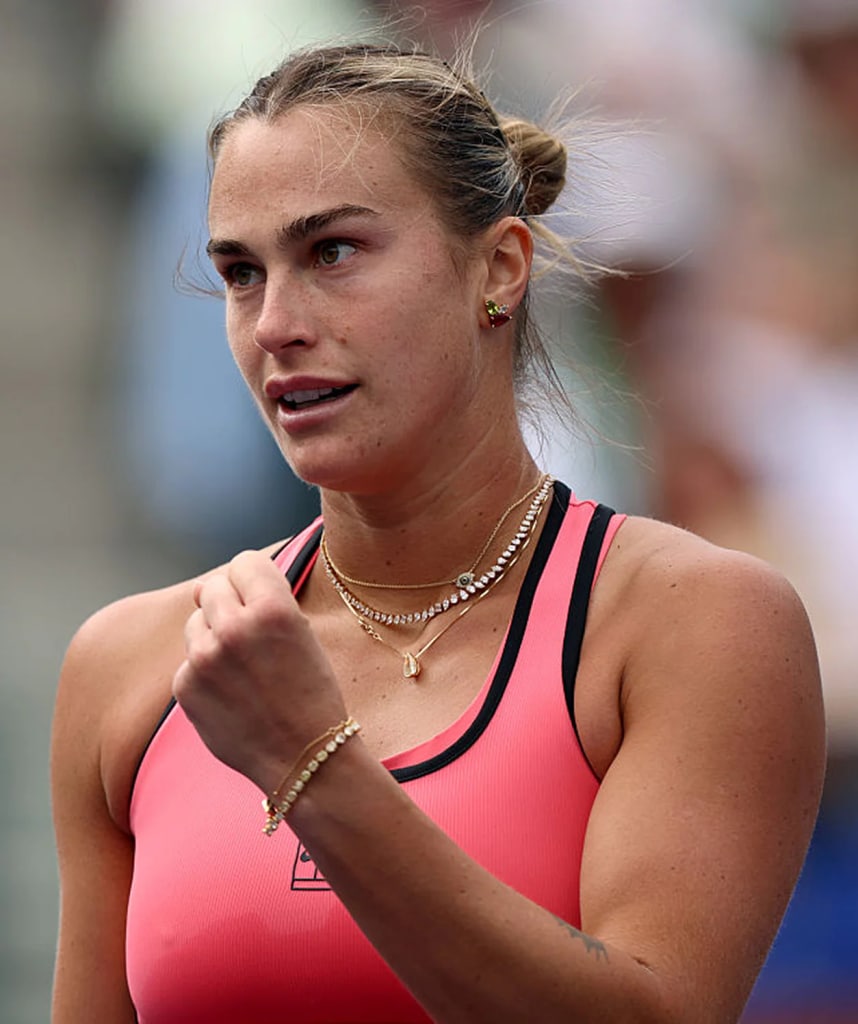
Aryna wearing the Indian Wells Collection, Material Good
The Wider Impact of Women’s Tennis Fashion
The women taking the court at Wimbledon today are doing more than competing. They’re using fashion to tell stories that matter to them, whether that means celebrating their heritage or expressing their individuality. Naomi Osaka has repeatedly incorporated Japanese-inspired design into her match kits, while Alexandra Eala brought a touch of the Philippines to the All England Club with a sampaguita-inspired hair accessory. In a tournament defined by its famous all-white dress code, these thoughtful details become quiet but meaningful reminders of where these athletes come from and the communities they proudly represent on one of tennis’ biggest stages.
At the same time, more brands are recognizing the value of involving athletes in the design process. Players like Aryna Sabalenka and Marta Kostyuk have shown that performance wear can reflect both function and personality when the people wearing it help shape the final product. Others, like Taylor Townsend, have gone a step further by creating their own label and taking full control of their on-court style. As women’s tennis continues to grow, these collaborations and independent ventures show how influential today’s athletes have become. Their visibility reaches far beyond the scoreboard, giving their countries greater representation on the global stage while encouraging the next generation of players to embrace both their identity and their voice.