
Last Updated on June 16, 2026 by Danielle Belleza
Your third Aperol Spritz of the evening sits bright orange on a street-side café table. You’re seated outside on a cobblestone sidewalk, surrounded by friends, with a conversation that feels nowhere near over. The sun set hours ago, but no one seems ready to call it a night.
Then someone brings up the idea of heading to another bespoke bar before going to a party that a mutual friend invited you to. It’s perfect, and it’s probably close to what a lot of people picture when they start planning the ideal European vacation.
There’s nothing wrong with that, of course. Everyone has their own version of the perfect Eurosummer, shaped by films, music, celebrity travel posts, and social media mood boards.
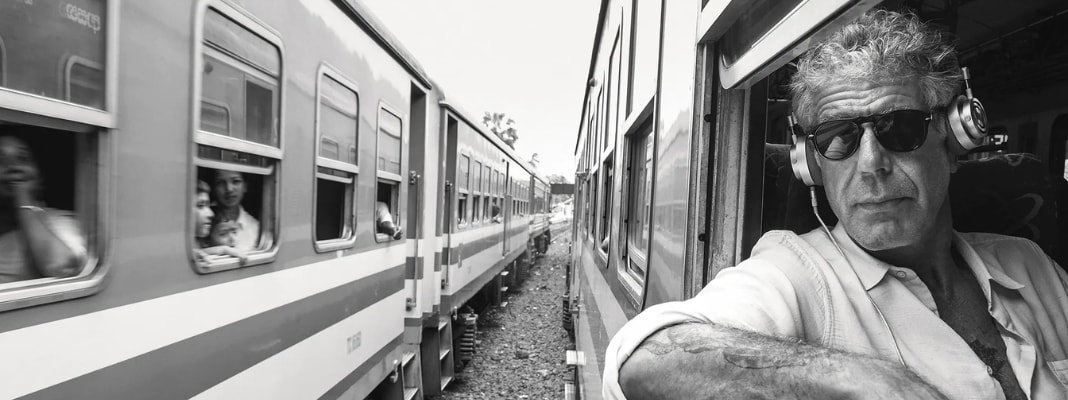
Anthony Bourdain would probably add a few more things to your itinerary, though.
Not because you need to avoid popular experiences or reject tourist favorites just to feel superior. Order the Aperol Spritz, take the photo, linger at the café terrace, and enjoy the version of Europe you were excited to see.
But stay curious enough to go beyond what was already on your feed. That was the deeper appeal of Bourdain’s travel philosophy. He saw travel not as a performance, but as a way to pay closer attention to other people, other cultures, and other ways of living. At its best, travel becomes a tool for empathy, reminding you that a place is more than its landmarks, restaurants, or photo spots.
The journey changes you; it should change you.
Anthony Bourdain, No Reservations
A Seat At The Locals’ Table
There’s nothing quite like seeing a city through a local’s perspective. Food is often the easiest way in. What people cook, where they eat, when they gather, and what they serve with pride can tell you more about a place than any polished itinerary ever could.
Cuisine carries history, routine, geography, comfort, and identity all at once. So if you want to understand a culture beyond its landmarks, start with what’s on the table. Beyond the food itself, some of the most memorable parts of a meal are the conversations that happen around it. Long after the trip ends, you may still remember the people you met and the stories they shared over a meal.
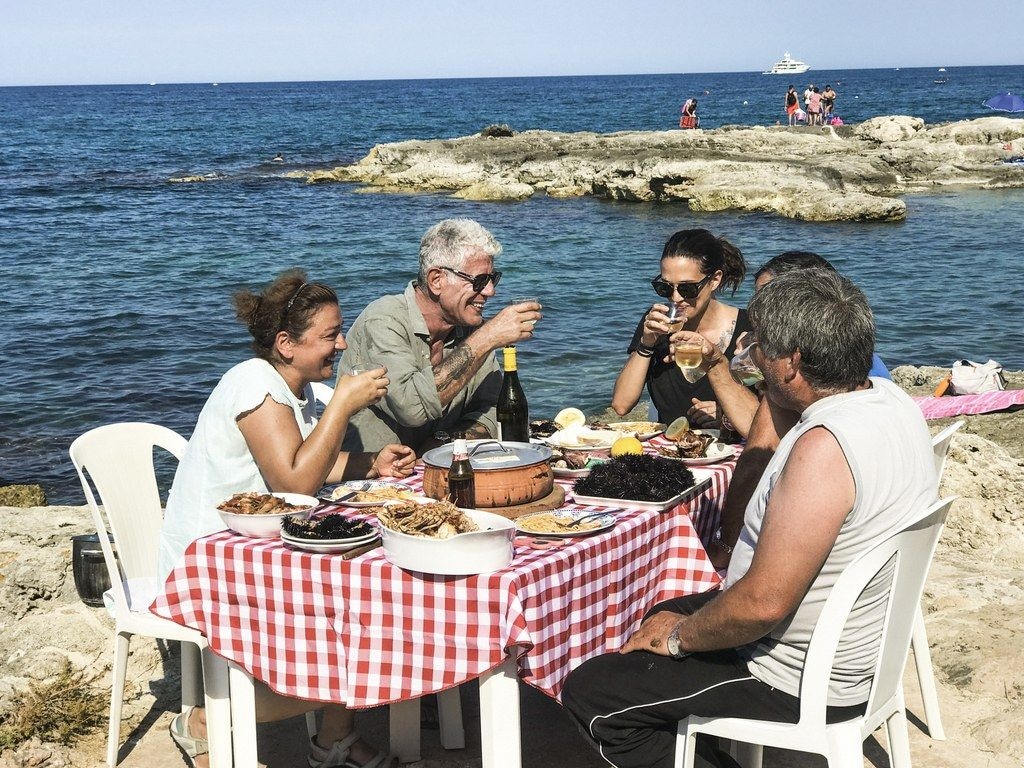
Parts Unknown, Southern Italy
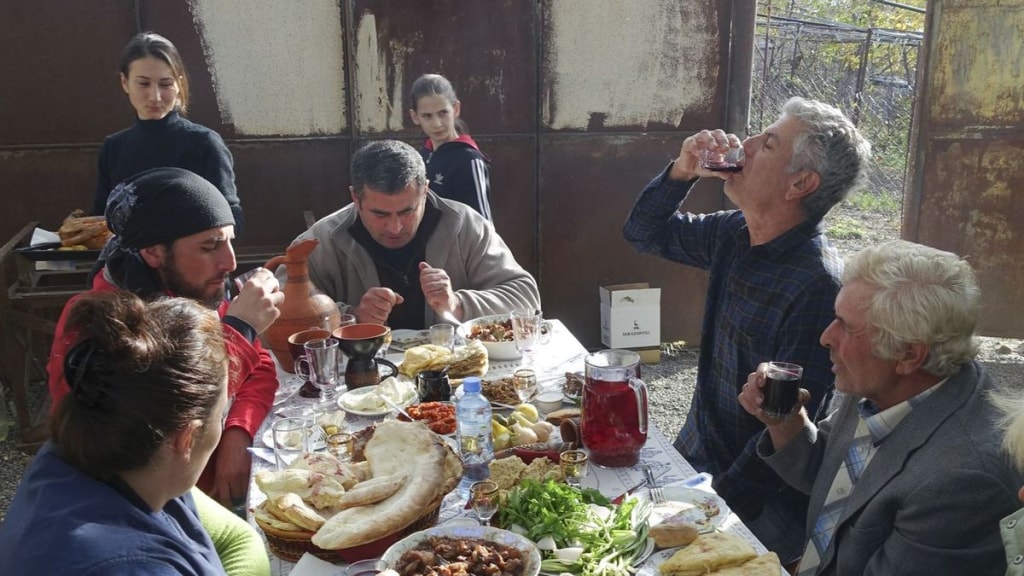
Parts Unknown, Tbilisi, Georgia
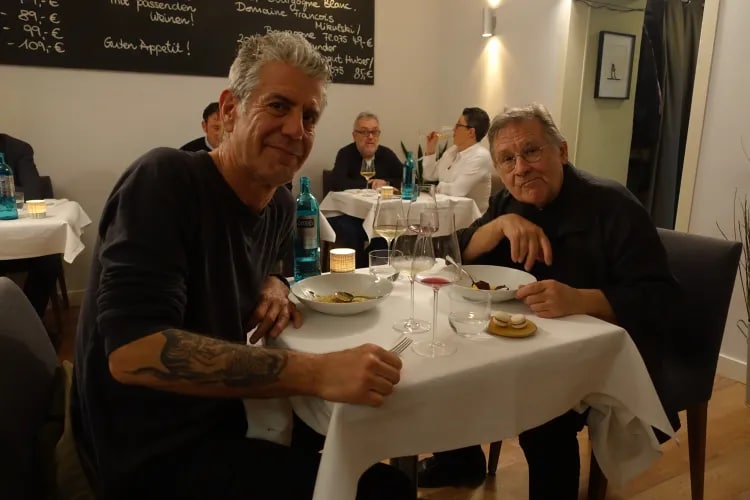
Parts Unknown, Cologne, Germany
The Trap Of The Perfect Itinerary
Anyone who travels abroad without a day-by-day plan or pre-booked accommodation is either unusually laidback, or privileged enough not to worry about the consequences. Bourdain’s advice to “wing it” can sound romantic in theory, but it lands differently for travelers who need more certainty.
For solo travelers, especially women, knowing your hotel is booked in a safe neighborhood isn’t overplanning; it’s instinct. For travelers with weaker passports, spontaneity can be even less realistic, since visa applications often require confirmed accommodations, return tickets, and a clear itinerary long before the trip begins. In a lot of cases, winging it in an unfamiliar place can be difficult.
Ironically, one of Bourdain’s own recurring themes was empathy, trying to understand how other people experience the world. We can instead take this idea and challenge it against our individual realities.
It is in recognizing that the underlying goal is curiosity, openness, and flexibility, not literally showing up in a foreign country with no plan and seeing what happens. You don’t have to copy Bourdain’s exact travel habits to embrace the mindset he championed. Whether you’re meticulously planning every detail or leaving room for spontaneity, the goal is the same: to experience a place with genuine interest rather than simply checking it off a list.
The Case For Lingering
Travel has a way of making us feel productive. Another museum. Another neighborhood. Another restaurant reservation. Another landmark checked off before the day ends. Somewhere along the way, we’ve started treating travel like a race against time instead of an opportunity to spend time well.
Bourdain often seemed most interested in the moments between the attractions. A long lunch that stretched into the afternoon. A conversation that drifted from one topic to another. A café terrace where people-watching became the main event. Lingering wasn’t wasted time to him; it was often where the trip actually happened.
To linger is to sit with a meal instead of rushing through it. To pay attention when people speak. To notice the light, the noise, the pace, the small details around you, and let the place leave an impression on you.
In a culture that celebrates doing more, there is something radical about slowing down. Not every hour of a eurosummer needs to be optimized. Sometimes the best thing you can do is order another coffee, stay a little longer, and let the place work on you. The bottom line is slowing down.
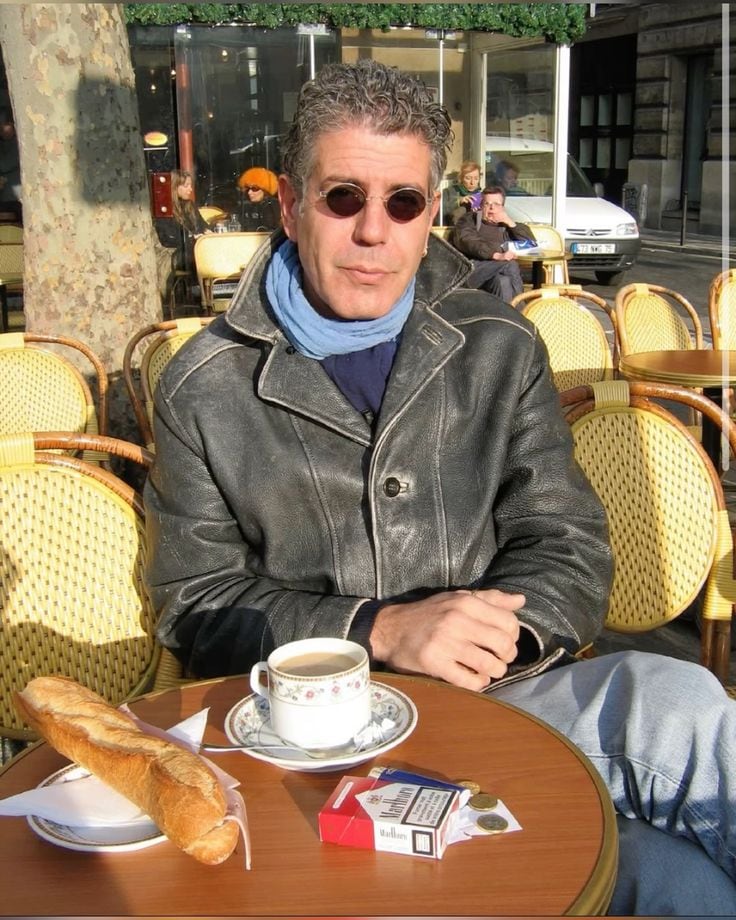
Photo via Pinterest (Iulia Galea)
In Praise Of Happy Accidents
Sometimes the best meal, the best view, or the best conversation happens precisely because something else didn’t go according to plan.
Happy accidents are often the parts of a trip you couldn’t have planned even if you tried. The restaurant you find because the one on your list was full. The quiet street you discover after taking the wrong turn. The beach you end up staying at longer because the next train is delayed. At the moment, these things can feel inconvenient. Later, they often become the story.
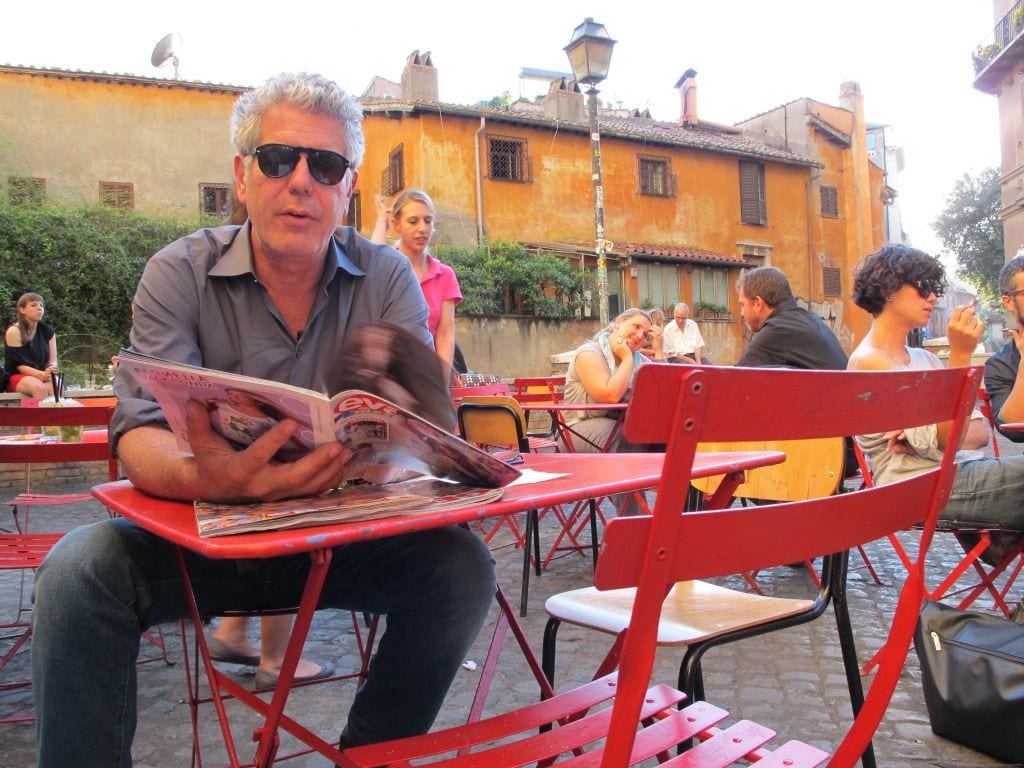
Photo via Pinterest (ARS)
A Bourdain-inspired Eurosummer isn’t about consuming only the things social media told you to want. It’s about moving with more purpose, staying open to experiences that weren’t on your list, and leaving enough room in the trip for the place itself to surprise you. It’s knowing when to take the photo, but also when to put the phone down. It’s enjoying the beautiful café, the famous drink, and the postcard view without letting them become the whole point of the trip.
It acknowledges that curiosity is universal, even if freedom of movement isn’t. Not everyone can travel recklessly, spontaneously, or without a plan, and not everyone should have to.
But anyone can bring attention, appetite, and openness to the journey they’re able to take. You don’t have to travel exactly as Bourdain did to travel the way he encouraged people to think.