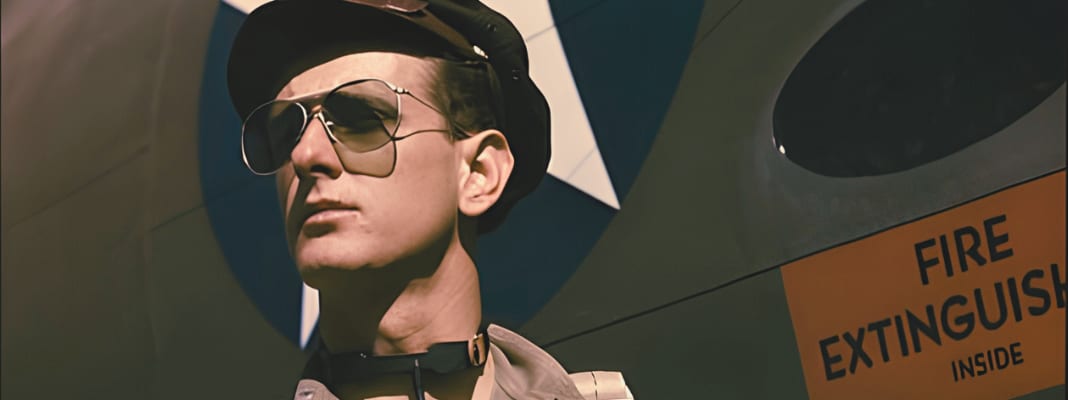
Last Updated on August 20, 2026 by Danielle Belleza
Bomber jackets, trench coats, combat boots, cargo pants. Who knew the military could be so influential in the fashion world?
The military-to-mainstream fashion pipeline is more common than you might think. Many of these pieces were originally built to be durable, functional, weather-resistant, and easy to produce, but their practical designs also proved surprisingly easy to wear. Long after leaving the battlefield, flight deck, or barracks, they became wardrobe staples in their own right.
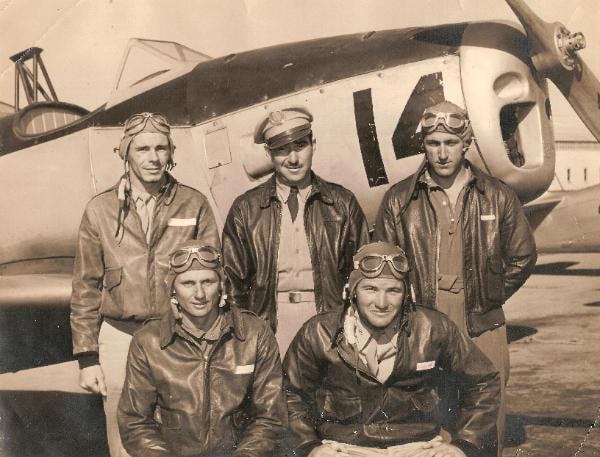
Army Air Corps Cadet, Pilots and Instructors: WWII Flight Training in A-2 Jackets
The same goes for aviator glasses. Originally developed for pilots, they were born out of necessity, designed to reduce sun glare and make high-altitude flying more comfortable.
The aviator owes much of its original design to U.S. Army test pilot John A. Macready. After experiencing the problems pilots faced with intense sunlight and glare at extreme altitudes, Macready worked with optical manufacturer Bausch & Lomb to develop eyewear better suited to flying. He helped shape the lenses, tint, and fit that would define the aviator look, including the broad coverage that protected more of the eye area without the bulk of traditional flying goggles. The Smithsonian credits Macready with inventing the first aviator glasses, while Bausch & Lomb later developed and introduced its aviation sunglasses commercially in the 1930s.
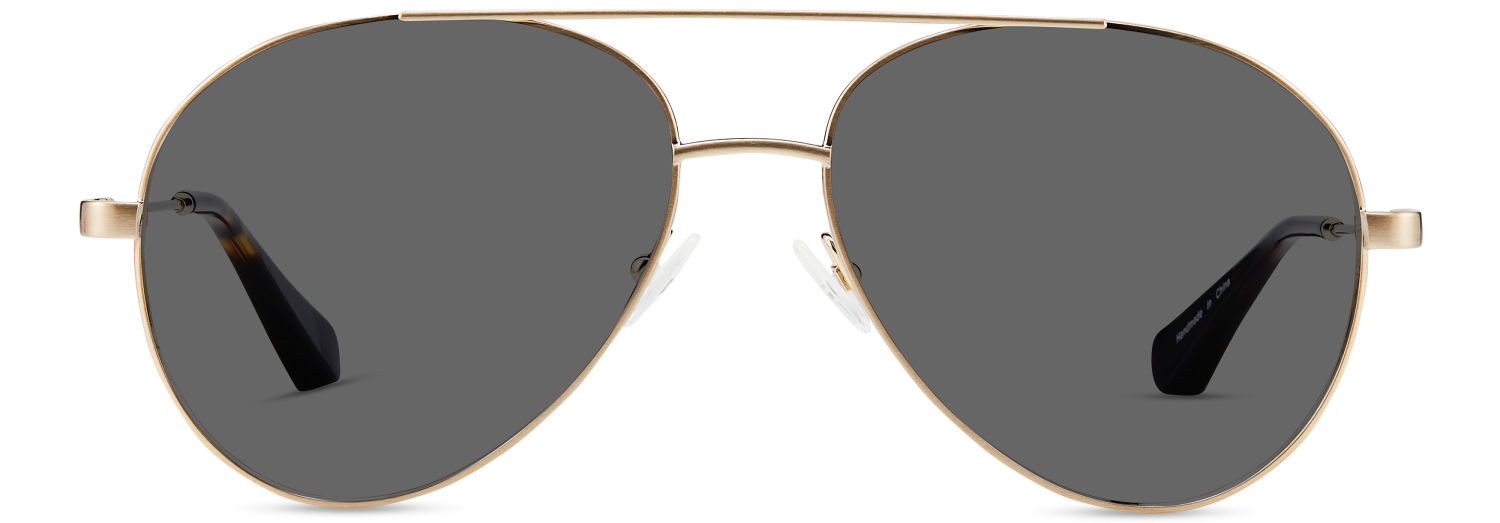
Even their now-iconic teardrop lenses and thin metal frames still trace back to that original functional design. In the design world, there’s a famous principle called “form follows function.” Aviators are a near-perfect example. Their shape was dictated by what pilots needed, and the result just happened to look exceptionally good.
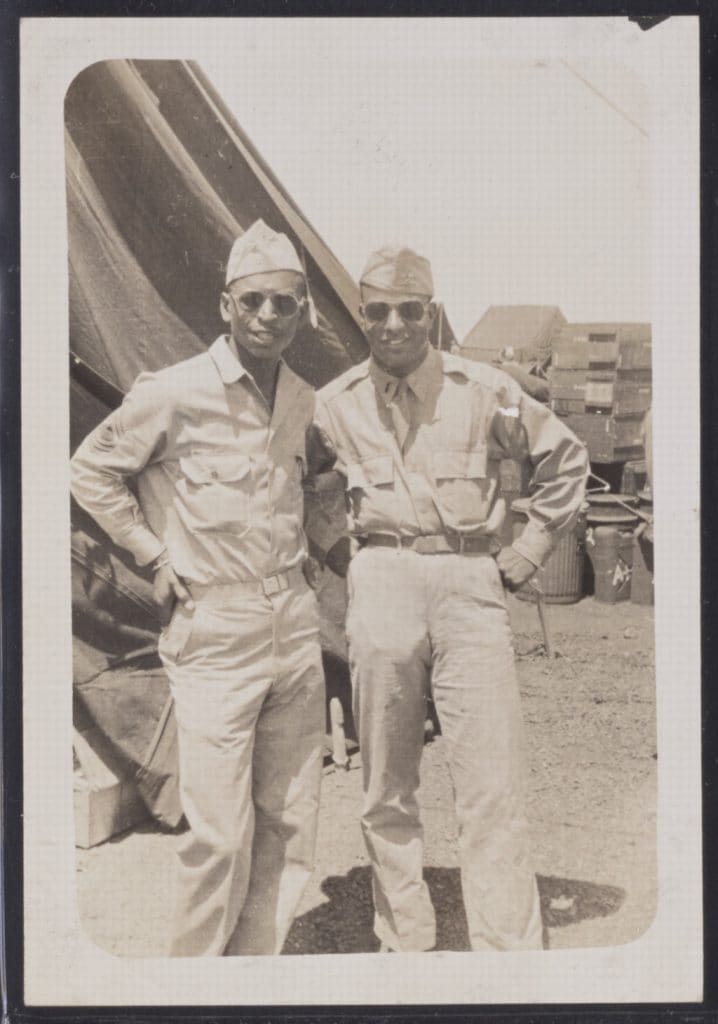
Two of Ellis Ross’s friends in uniform standing next to the tent outside. Ellis Ross Collection, Veterans History Project, Library of Congress, AFC2001/001/45353.
How Military Eyewear Became Civilian Cool
Before aviators became a fashion statement, they already carried a strong identity. Their connection to pilots gave them an instant association with confidence, adventure, precision, and authority.
And turns out, looking like you could fly a plane was pretty good for your image. Wearing them meant borrowing a little of that image, even for people who had never been anywhere near a cockpit. In that sense, aviators didn’t have to shed their military roots to become stylish. Those roots were part of what made the frames look cool in the first place.
Once aviators made their way out of military cockpits and onto civilian faces, their practical origins became part of their appeal rather than something fashion had to disguise.
Hollywood and Aviators
Hollywood took the image aviators had already built and turned it into something bigger. On screen, the frames became shorthand for confidence, rebellion, authority, and a little bit of mystery, depending on who was wearing them. Pilots, cops, antiheroes, and movie stars all helped give aviators different personalities, proving that the same basic frame could feel tough, glamorous, dangerous, or effortlessly cool.
Aviators in Film
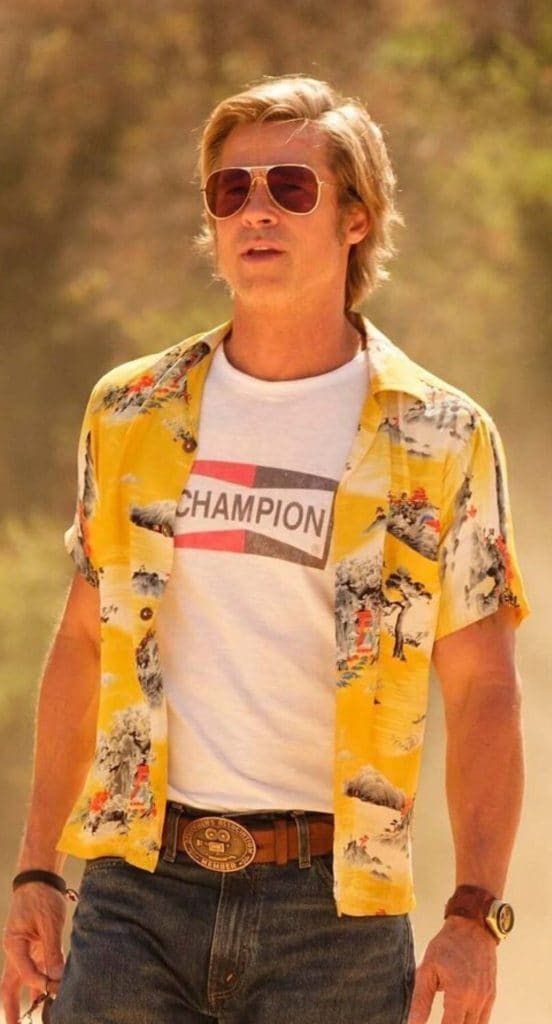
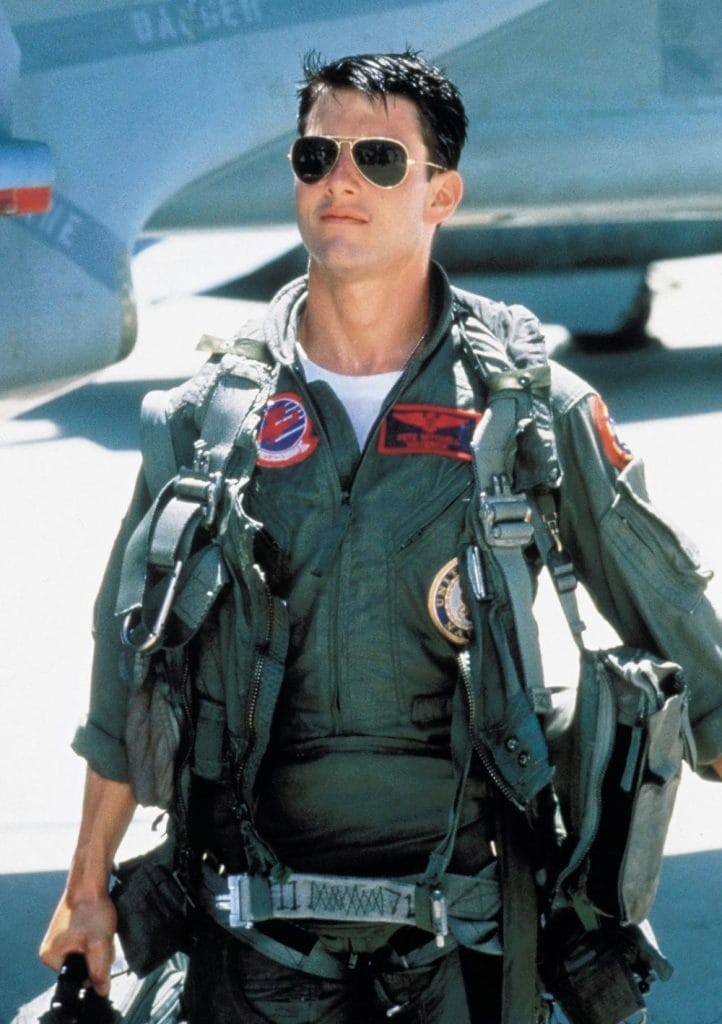
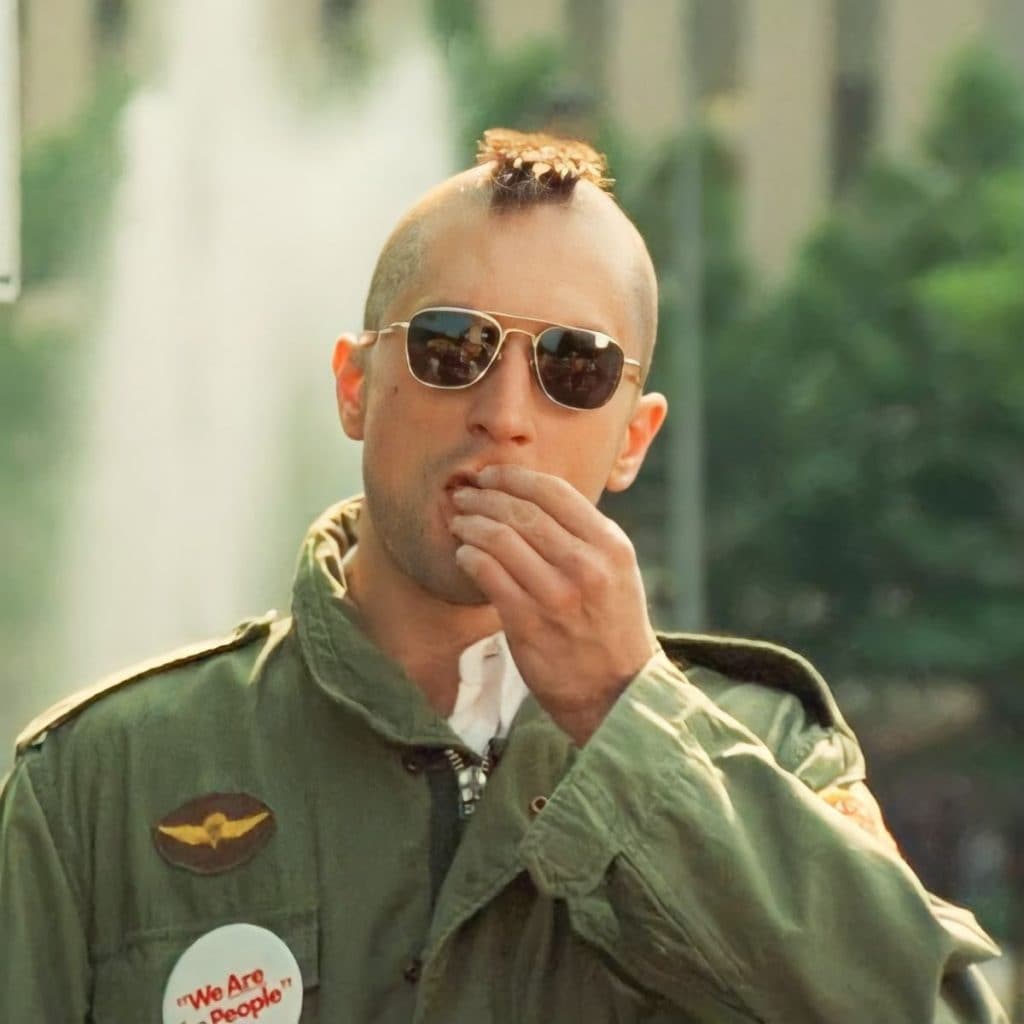
Aviators have become one of cinema’s quickest ways to tell an audience something about a character before they even speak. In Top Gun, Maverick’s aviators reinforce his confidence, skill, and risk-taking personality while tying him directly to the frame’s aviation roots. In Taxi Driver, Travis Bickle wears similar military-inspired sunglasses to much darker effect, making him seem more closed off, intimidating, and difficult to read. Even Cliff Booth in Once Upon a Time in Hollywood uses the silhouette differently, pairing aviators with a relaxed, almost effortless kind of cool.
That range is part of what makes aviators so useful on screen. They tend to appear on pilots, cops, soldiers, antiheroes, rebels, and characters who are meant to project authority or self-assurance, but the dark lenses can also create emotional distance by hiding the eyes. Depending on the character, the same frame can suggest competence, danger, mystery, swagger, or detachment. Hollywood did not invent those associations, but it helped turn them into a visual language audiences now recognize almost instantly.
Aviators on Celebrities
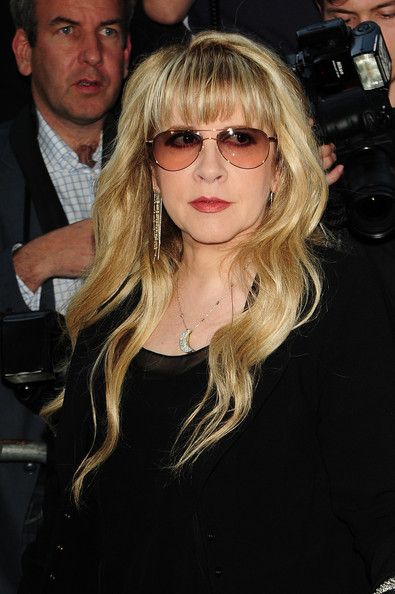
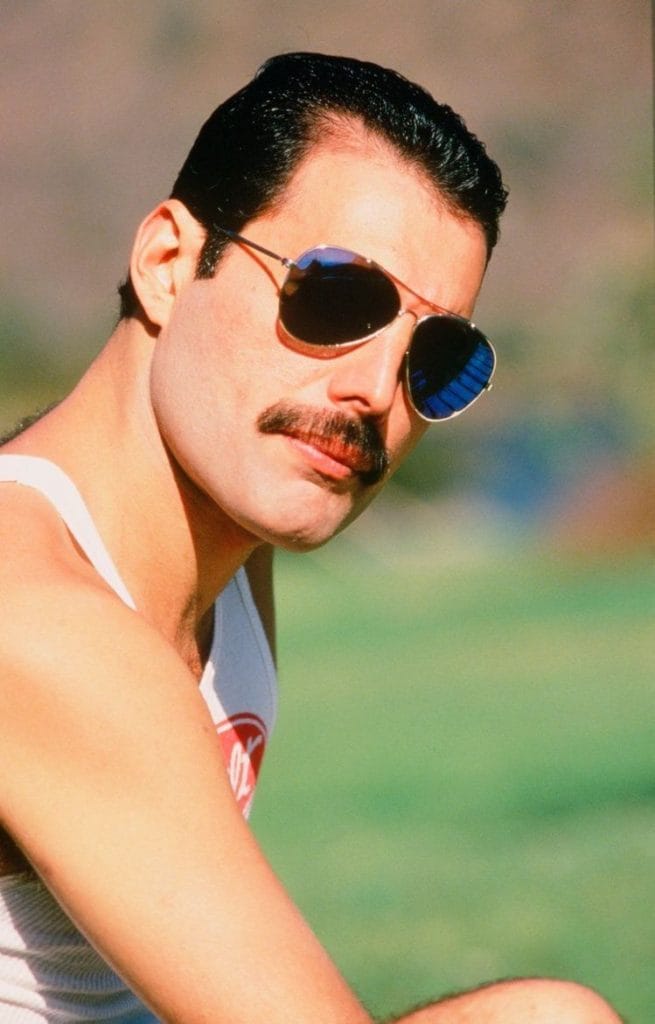
Off screen, musicians helped pull aviators even further away from their military beginnings. Stevie Nicks paired them with her flowing, bohemian wardrobe, while Freddie Mercury wore them with the kind of stripped-back rock-star confidence that made almost anything look deliberate. By the 1970s and 1980s, aviators were no longer just borrowing cool from pilots. They had become part of the visual vocabulary of musicians and celebrities themselves.
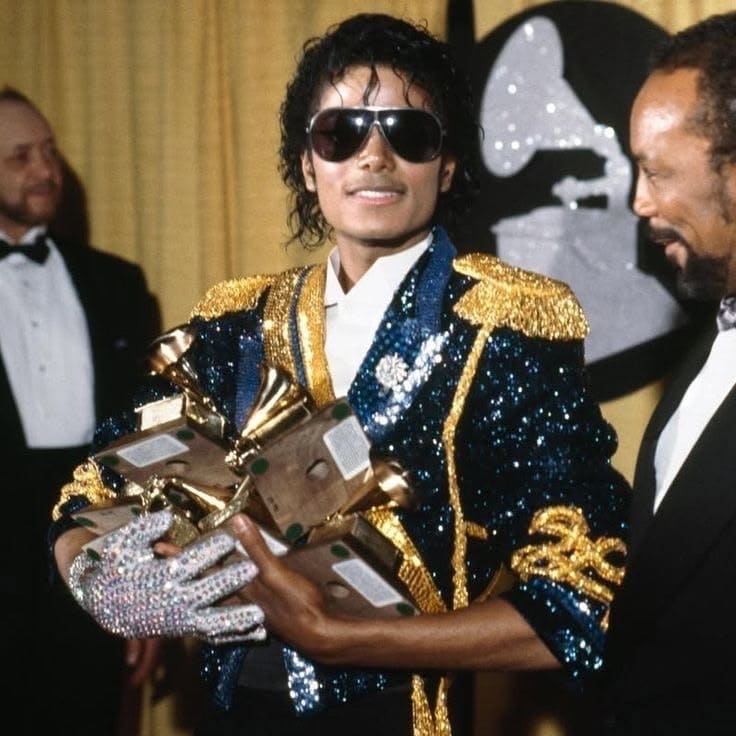
Then there was Michael Jackson. At the 1984 Grammys, he appeared in dark aviator-style sunglasses while collecting a record eight awards, even joking that he would finally remove his glasses after his seventh win at Katharine Hepburn’s request. What makes the look especially fitting here is how naturally the glasses sat alongside Jackson’s broader fascination with military-inspired fashion. Structured jackets, pronounced shoulders, decorative braiding, armbands, and regiment-like detailing became recurring elements of his image, turning uniforms associated with authority into something theatrical, glamorous, and unmistakably his own. The aviators worked the same way. In Jackson’s hands, military references weren’t simply copied. They were exaggerated, remixed, and transformed into pop iconography.
Built for Pilots, Made to Last
What began as a practical solution for pilots ended up becoming one of the most recognizable silhouettes in eyewear. Aviators have been reinterpreted by Hollywood characters, rock stars, pop icons, and generations of everyday wearers, yet the basic shape has stayed remarkably close to where it started. That longevity says a lot about the strength of the original design.
Bomber jackets left the cockpit. Trench coats left the trenches. And aviators eventually left military airfields for movie sets, concert stages, and everyday wardrobes. Some designs survive because fashion keeps reinventing them. Aviators survived because there was surprisingly little that needed fixing.