

Last Updated on February 2, 2026 by Jadys Diez
It’s easy to focus on shape or color when picking glasses, but material is what really defines how a frame wears, and how it looks once it’s part of your everyday style.
Metal and acetate frames each bring a different energy, and neither is “better” without context.
The right frame material should support both your aesthetic and your routine. So, what is the right material? We’ll walk you through that and help you choose a frame that goes with how you dress, move, and show up every day.
What’s The Difference Between Acetate vs. Metal Frames
Metal and acetate frames are built differently, worn differently, and project different style cues, even before you factor in shape or color.
If you’ve ever put on a pair of glasses and thought, “This feels very me” (or very not), this is usually why.
| Metal Frames | Acetate Frames | |
|---|---|---|
| How They Feel on Your Face | Light, barely noticeable, and easy to forget once they’re on. | More substantial. You’re aware of them (in a grounding, intentional way). |
| Overall Structure | Slim and delicate-looking, with a softer visual footprint. | Solid and defined, with clear shape and edges. |
| How Stylish Are They | Quiet, clean, and polished. They support your look without demanding attention. | Bold and expressive. They are part of the outfit. |
| How They Age With Trends | Can loosen slightly and may need occasional adjustments. | Hold their shape well and tend to keep their visual impact longer. |
| Who They Usually Suit | Minimalists, professionals, and anyone who prefers understated style. | Creative dressers, statement-makers, and those who like personality in their frames. |
If you want a frame that disappears on your face or defines your entire look, it usually comes down to this contrast: subtle versus expressive.
Let’s see how these differences play out in everyday wear, so you can decide which material actually fits the way you live and dress.
If Your Glasses Are On Your Face All Day
While both metal and acetate frames can look great, they behave very differently once they’re on your face for hours at a time.
Comfort First
Metal frames tend to distribute weight more lightly. Because they’re thinner and less bulky, the pressure is usually concentrated at the nose pads rather than across your entire face.
Acetate frames, on the other hand, rely on full-rim support. The weight is spread across the bridge and sides of the face instead of resting on nose pads.
Wearability
Warmer climates, long commutes, or hours spent indoors with fluctuating temperatures can affect how frames feel.
Metal frames may warm up quickly but stay light, while acetate can feel snug or slightly heavy as the day goes on. Neither is wrong; it’s just about what your face tolerates better.
Your Personal Style Energy
It goes without staying, we want a frame that goes well with our look. Some blend in and accentuate everything else you’re wearing. Others step forward and set the tone.
It all depends on what kind of presence you like your glasses to have.
Metal Frames For the “Polished Without Trying” Crowd
Metal frames are all about restraint. They’re defined by clean lines, lighter profiles, and a subtle visual. Instead of drawing attention to themselves, they support the rest of your look, your outfit, your face, your energy.
It’s why they work for:

If your style leans classic, tailored, or neutral, this material usually fits in without asking for attention. You can try out these frames:
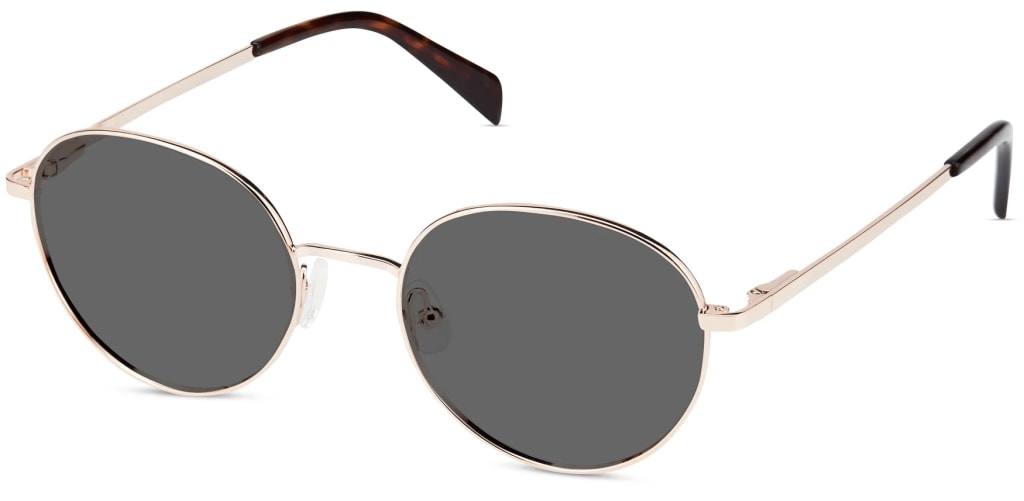
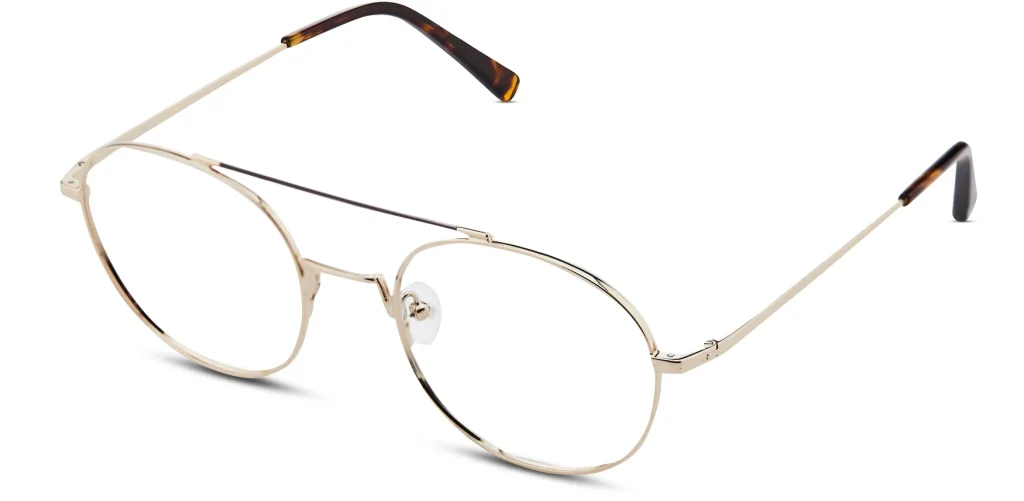
Acetate Frames For the “Let My Glasses Be the Look” People
Acetate frames are more expressive by nature. They offer richer color, stronger shape definition, and visual weight that’s meant to be noticed, which anchors your look and gives it personality.
Acetate shines the best for:

With acetate, your glasses become part of your signature. Even simple outfits feel intentional when your frames carry visual interest and confidence. Add character to your style with these frames:
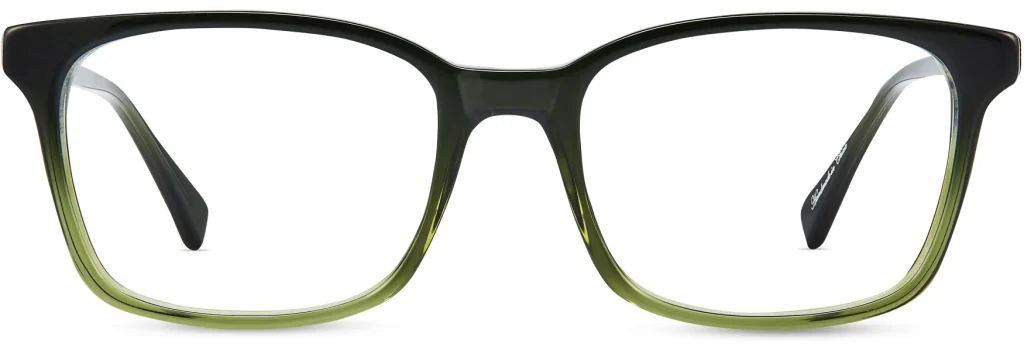
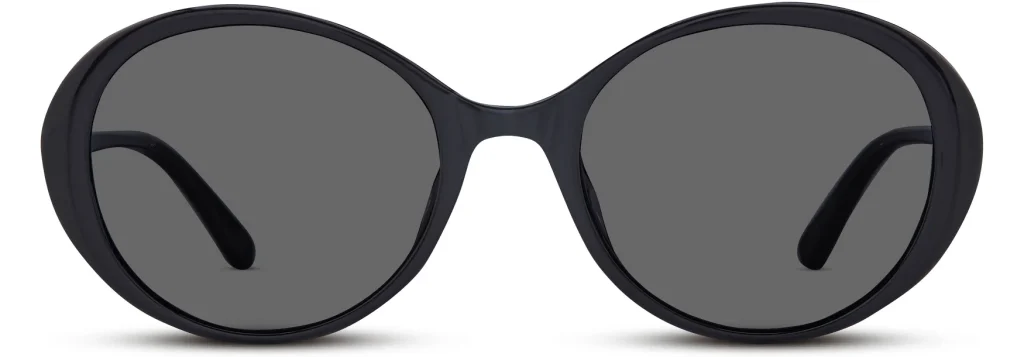
Lifestyle Check: Which Material Keeps Up With How You Live?
A frame can look great in the mirror and still feel wrong once it’s part of your everyday routine. Your lifestyle matters just as much as your style, especially when your glasses are with you for most of the day.
For Desk Jobs & Screen-Heavy Days
If your day is spent in front of a laptop, moving between meetings, emails, and screens, comfort and lightness tend to matter.
Though they are subtle by design, metal frames would be better as they feel easier during long, uninterrupted wear because of their lighter build.
For Commuting, Travel, and Being on the Move
If your day involves commuting, walking, hopping between places, or constant movement, then stability will be your main concern.
In this case, acetate frames will be better since they tend to feel more secure thanks to their full-rim structure.
Creative Fields vs. Corporate Environments
What’s your work environment like? That can often influence how bold or restrained your glasses can be.
If you’re in a traditional or corporate setting, metal frames will blend in naturally, while acetate frames can feel right at home in creative spaces.
For Active or Hands-On Lifestyles
If you’re frequently moving, working with your hands, or switching between tasks, then you need something durable and fit.
Wearing acetate frames will be ideal here because they hold their shape well and feel sturdy during physical movement.
Durability, Maintenance, and the Long Game
Metal and acetate age differently, respond to stress differently, and ask for different kinds of care over time.
Metal frames are more flexible by nature. They can bend slightly under pressure, which sometimes works in your favor, especially when it comes to fit adjustments. But since repeated bending can lead to looseness over time, it may need occasional tightening or reshaping to stay aligned.
As for acetate frames, they are more rigid. They tend to resist movement and hold their original shape longer. That makes them feel sturdy, but it also means they don’t respond well to force. If an acetate frame is stressed too far, it’s more likely to crack than flex.
Which One Stays in Fashion Longer?
Even when trends and styles shift, certain materials continue to read as intentional rather than dated.
Metal frames often move through trend cycles quietly. Their appeal stays relatively steady because they rely on clean lines and minimal presence rather than bold statements. That adaptability is what makes them feel consistently relevant.
Acetate frames tend to be more trend-responsive. Shapes, thickness, and colors can rise and fall with fashion cycles, which is part of their appeal. Try to pick designs that feel expressive but not overly tied to a single trend wave.
One little advice: Style confidence always outlasts trends. When your frames feel like an extension of you, they continue to look good long after the fashion conversation has moved on.
Find the Right Frame for You
A lot of people move between metal and acetate depending on the setting, the season, or even their mood.
If you value that subtle, clean, and polished look that works in any setting, metal frames are the ones for you. But if you want that stronger style presence that’s expressive and intentional, then you will love acetate frames!
And by the way, you don’t have to choose one forever! Classic Specs has a vibrant selection of frames that fits any look for any setting. Find the right frame that supports your style and keeps up with your life.
Frequently Asked Questions About Metal vs. Acetate Frames
Are metal or acetate frames better for sensitive skin?
It depends on the materials used and your skin’s sensitivity. Some people prefer acetate because it doesn’t rest on nose pads, while others do well with metal frames designed for skin contact.
Do metal or acetate frames work better with prescription lenses?
Both materials can support prescription lenses. The best option depends more on lens thickness and frame size rather than the material itself. A proper fit matters more than whether the frame is metal or acetate.
Are acetate frames harder to keep clean than metal frames?
Acetate frames can show smudges more easily, especially lighter colors. Metal frames tend to show fewer fingerprints but still need regular cleaning. Either way, gentle daily cleaning helps maintain their look.
Do metal frames break more easily than acetate frames?
Not necessarily. Metal frames are more flexible, while acetate frames are more rigid. Each responds differently to pressure, so durability depends on how the glasses are worn and handled.
Can frame material affect how my glasses fit over time?
Yes, frame material can influence how glasses hold their fit. Some frames may need adjustments as they’re worn regularly. Routine checkups help keep any frame fitting comfortably.
References
How to Choose the Glasses Frame Material That’s Right for You. American Academy of Ophthalmology (AAO). https://www.aao.org/eye-health/glasses-contacts/eyeglass-frame-materials April 22, 2020.
Acetate vs Metal Sunglasses: Are metal frames out of style? DHGate. https://smart.dhgate.com/acetate-vs-metal-sunglasses-are-metal-frames-out-of-style/. September 28, 2025.
The pros and cons of glasses materials. Eye See Mag. https://eye-see-mag.com/en/glasses-culture/glasses-materials-guide/. n.d.
Metal vs. Plastic Sunglasses: Which frames are less likely to break (and look better). DHGate. https://smart.dhgate.com/metal-vs-plastic-sunglasses-which-frames-are-less-likely-to-break-and-look-better/. September 24, 2025.
Historical Development, Applications and Advances in Materials Used in Spectacle Lenses and Contact Lenses. National Library of Medicine. https://pmc.ncbi.nlm.nih.gov/articles/PMC7532918/. September 29, 2020.