
Last Updated on January 4, 2026 by Faulton Cinco
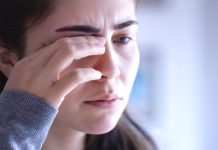
Ever catch yourself thinking, “Why does everything look almost clear?” If you’re dealing with blurry vision with glasses, frequent headaches, or eye strain after a normal day, those can be early symptoms of outdated glasses prescription and your eyes may be working harder than they should.
In this guide, you’ll learn the 5 most common signs you may need new glasses prescription, why they happen, and what to do next so your vision feels crisp and comfortable again.
Sign #1. You’re seeing blur… even with your glasses on
If you’re noticing blurry vision with glasses, that’s one of the clearest signs you need a new glasses prescription. It can show up gradually, so you “adjust” without realizing you’re straining, until one day road signs, captions, or spreadsheets look soft instead of sharp.

This kind of blur often comes with other symptoms of outdated glasses prescription like squinting, tired eyes, and trouble focusing after long screen time as noted in the American Optometric Association’s guidance on computer-related vision symptoms.
Common ways it shows up:
- You blink a lot trying to “clear” your vision, but it stays fuzzy
- Text looks slightly smeared, especially at the end of the day
- You feel like you can see, but not comfortably
Dryness can also make vision fluctuate. If your blur comes and goes, skim Classic Specs’ guide on dry eye signs and relief tips.
Distance Blur Vs. Near Blur (What Each Usually Points To)
Not all blur is the same. Noticing where it happens helps you explain symptoms during an eye exam.
- Distance blur (driving, TV, classroom board) often suggests your glasses prescription may need a tweak for distance clarity. Even a small change can feel bigger when you’re tired or driving at night.
- Near blur (reading, phone, menus) can mean your near focus needs help. Many people notice this more with age, but it can also show up sooner if you’re doing lots of close-up work.
- Blur that gets worse with screens often overlaps with digital eye strain. The American Academy of Ophthalmology notes that heavy device use can lead to blur and achy, tired eyes.
If you’re also dealing with trouble seeing at night with glasses, that’s worth flagging early. Low light can make small prescription changes feel much more obvious.
Quick Self-check: The “One-eye Test” (Safe, Non-diagnostic)
This is a simple way to describe what you’re experiencing before you update glasses prescription. It won’t diagnose anything, but it can reveal whether one eye feels noticeably “off.”
How to do it (30 seconds):
- Pick a fixed target (a line of text on your screen or a street sign at a safe distance).
- Cover your left eye and read the same line for 3–5 seconds.
- Cover your right eye and repeat.
- Note any difference in sharpness, effort, or comfort.
What It Can Tell You: If one side consistently looks blurrier or feels harder to focus, mention it during your exam. That’s often a practical clue when your optometrist checks whether you need a new glasses prescription or a small adjustment.
Sign #2: Headaches, eye strain, or tired eyes show up after screens/reading
Occasional fatigue happens. But if you’re getting repeated headaches, noticeable eye strain, or your eyes feel tired or dry with glasses prescription after normal screen time or reading, that’s a common sign your eyes are working too hard to compensate.

The American Optometric Association lists headaches, blurred vision, and dry eyes among typical computer-related vision symptoms.
If screens are a big part of your day, Classic Specs breaks down what to expect in blue light glasses and how they may help with comfort.
Why Your Eyes “Work Overtime” With An Outdated Rx
When your prescription is slightly off, your focusing system has to “push” to keep things clear. Over time, that constant effort can lead to:
- Headaches with glasses prescription (often after close work or screen time)
- Heaviness around the eyes or forehead
- Burning, dryness, or that “tired eyes” feeling by late afternoon
Digital habits add extra pressure. The AAO notes that long hours on devices can cause digital eye strain, including blur and achy eyes.
And the AOA highlights that people who spend long, continuous stretches at screens are more likely to feel symptoms.
When It’s Likely Your Prescription (Vs. Just A Long Day)
Use this quick checklist. If you’re nodding “yes” to several, it’s a strong sign you should change eyeglass prescription or at least get your current one checked.
It’s more likely your prescription when:
- your headaches while wearing glasses means prescription change feels plausible because it happens during the same tasks (reading, computer work, driving).
- you feel relief when you stop focusing (breaks help, but symptoms come right back)
- you’re squinting even with glasses, leaning in, or enlarging text more than before.
- your eyes feel uncomfortable most days, not just after a single late night.
It may be “just a long day” when:
- Symptoms are rare and disappear after sleep
- You had unusually long screen exposure, poor lighting, or fewer breaks than usual
Important: If headaches are severe, sudden, or paired with sudden vision changes, don’t self-diagnose. Book an eye exam promptly to rule out other issues. The CDC emphasizes that comprehensive eye exams matter because some eye problems don’t show obvious symptoms early on.
Sign #3: You’re squinting more (or leaning in) to see clearly
Squinting is your eyes’ quick “focus hack.” It temporarily sharpens what you see by narrowing the light entering your eyes, but if you’re squinting even with glasses, it’s one of the most common signs you need to change glasses prescription (or at least get it checked).

If you’re also feeling soreness or irritation, it can help to rule out comfort issues (like dryness) alongside prescription changes.
Squinting As A Clue Your Focus Is Slipping
When your eyeglass prescription is slightly off, your eyes often compensate—until they can’t. Squinting is a sign you’re trying to force clarity, especially for small text, screens, or anything in dim lighting.
Look for patterns like:
- You squint more at the end of the day (fatigue makes your focusing system less efficient).
- You squint more in low light or while driving (contrast drops, so blur feels worse).
The “Bigger Text” Moment (Phones, Menus, Captions)
If you’re constantly zooming in on your phone, moving menus farther away, or leaning toward your screen, those are everyday clues you may need new glasses prescription. It’s also a common moment people ask, “how do you know if you need new prescription glasses?”
Sign #4: Night driving feels worse (glare, halos, low-light blur)
If you’re noticing trouble seeing or getting halos and glare at night with glasses, don’t brush it off as “just headlights.” Night driving is often where small prescription changes become obvious and where comfort issues can become safety issues.

The American Academy of Ophthalmology notes that issues like glare and halos at night can be associated with conditions such as cataracts, which can also cause blurry or dim vision.
Why Small Rx Shifts Show Up Most At Night
Low light reduces contrast and makes your visual system work harder. That means a “minor” change in your prescription can feel major, especially with:
- oncoming headlights, reflective road signs, or wet roads
- screen-based dashboards and bright interior lighting
If glare is your main complaint, it’s worth asking your eye care provider about lens options. For example, the American Optometric Association’s night driving guidance highlights approaches that can help reduce distracting reflections for drivers (including lens considerations).
Safety Note: When To Stop “Pushing Through” And Book An Exam
If night driving has become stressful, don’t wait. Book an eye exam soon, especially if you’re seeing new halos, worsening glare, or sudden changes in night vision. The National Eye Institute lists trouble seeing at night and sensitivity to light/glare among symptoms that can occur with cataracts.
Quick safety tips while you’re scheduling:
- Avoid driving at night when possible (especially in rain).
- Keep your windshield and glasses clean (smudges amplify glare).
- Dim dashboard lights to reduce reflections.
Sign # 5: Your glasses feel “wrong” (dizzy, distorted, uncomfortable) or your old pair is worn out
If your glasses make you feel dizzy, distorted, or “off-balance,” it can be a clue that something about the prescription, lens design, or fit isn’t working for you, especially if you’ve been wearing old prescription glasses for a long time and your vision needs have changed.
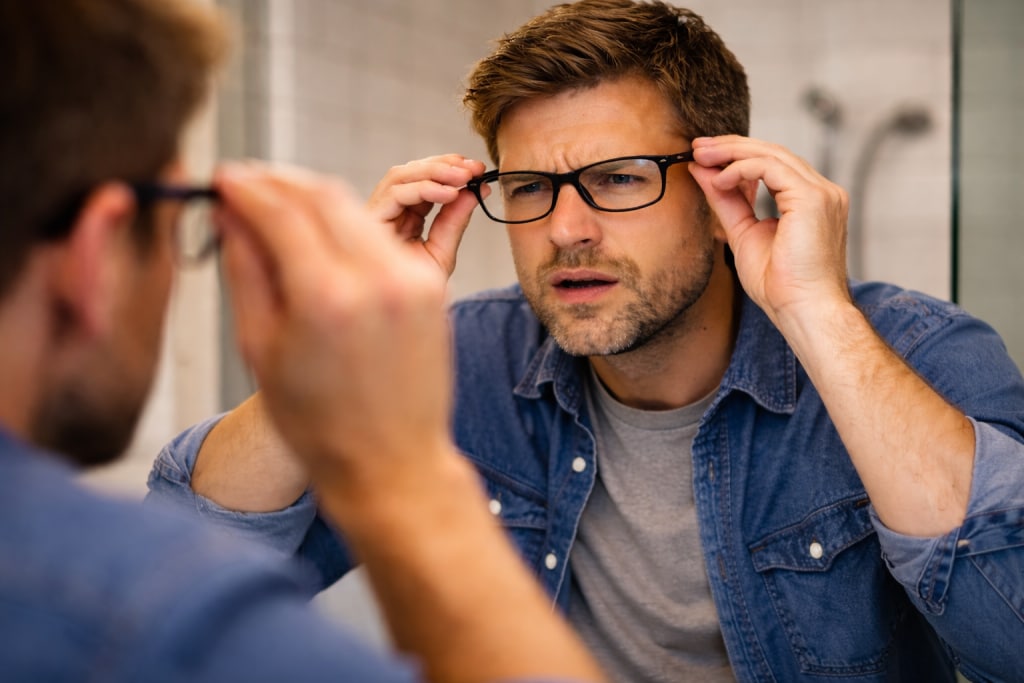
Also, don’t forget the simplest possibility: your lenses may just be worn. Scratches and coating wear can mimic expired glasses symptoms by reducing clarity and increasing glare.
Wrong Prescription Glasses Symptoms vs. Normal Adjustment
A short adjustment period can happen with a new Rx, particularly if the change is significant or you’ve moved into a different lens type (like progressives). Mild discomfort should improve as your brain adapts.
But if you have persistent dizziness or strong distortion, follow up. The American Academy of Ophthalmology has addressed dizziness related to prescription differences and switching vision correction, reinforcing that symptoms like this are worth discussing with an eye doctor.
Consider it a “check it now” situation if:
- dizziness is intense or doesn’t improve after a few days
- you feel nauseated or disoriented when walking
- symptoms are paired with sudden vision changes
Scratches, Coating Wear, Warped Frames: When The Lenses Are The Problem
Even when your eye prescription hasn’t changed much, your glasses can still stop performing like they used to. Common culprits:
- micro-scratches (they scatter light, which worsens glare)
- peeling/worn coatings (can create haze)
- warped frames or a crooked fit (you’re not looking through the optical center)
If glare is a big issue, the American Academy of Ophthalmology notes that anti-reflective coatings reduce glare, which can improve comfort, especially in challenging lighting.
What To Do Next (Simple Action Plan)
If you’re searching things like how do you know if you need new prescription glasses or taking a do i need new glasses quiz, here’s the simplest, most reliable path that keeps things practical (and avoids guesswork).
Step 1: List your symptoms (so your exam is faster and more accurate)
Write down:
- When symptoms happen (morning vs. late day)
- What triggers them (screens, reading, driving)
- What you feel (e.g., headaches with glasses prescription, blurry vision, dizziness, glare)
This helps the optometrist pinpoint whether you need a true update glasses prescription change or if the issue is lens wear, fit, or dryness.
Step 2: Book an eye exam (especially if safety is involved)
If you’re dealing with halos and glare at night with glasses that need new prescription symptoms, don’t “push through.” Night driving issues can signal a prescription change, lens issues, or another condition that should be checked.
Step 3: Confirm whether it’s your prescription, your lenses, or your frames
Ask during your visit:
- Did my glasses prescription change meaningfully?
- Could my symptoms be from lens scratches/coating wear?
- Is my frame fit affecting how I’m seeing through the lens?
If the Rx is stable but your lenses are worn, replacing lenses/frames can still feel like a major “update.”
Step 4: Get your prescription details (and keep a backup copy)
Before you leave, make sure you have:
- Your current eyeglass prescription (with expiration date if listed)
- Pupillary distance (PD), if provided
- Any lens recommendations (anti-reflective, progressives, etc.)
Step 5: Choose lenses that match your real life
A quick, buyer-friendly way to decide:
- Lots of screens + end-of-day fatigue → ask about comfort-focused options and habits to reduce strain.
- Night glare complaints → consider anti-reflective options and lens cleanliness habits.
- Dryness symptoms → manage dryness alongside prescription).
Step 6: Replace responsibly (don’t wait until your only pair fails)
If you’ve been wearing old prescription glasses for a long time, consider keeping your previous pair as an emergency backup (if it still works safely). And once you update, set a simple reminder to reassess yearly, so you don’t end up dealing with “expired glasses symptoms” again.
Pick Your Next Pair (Prescription-Ready)
Once your Rx is up to date, the best part is choosing frames that feel good and look great without the squinting. Classic Specs makes it easy with prescription glasses starting at $89 and Virtual Try On.
Here are three Classic Specs frames that are perfect for a fresh prescription:
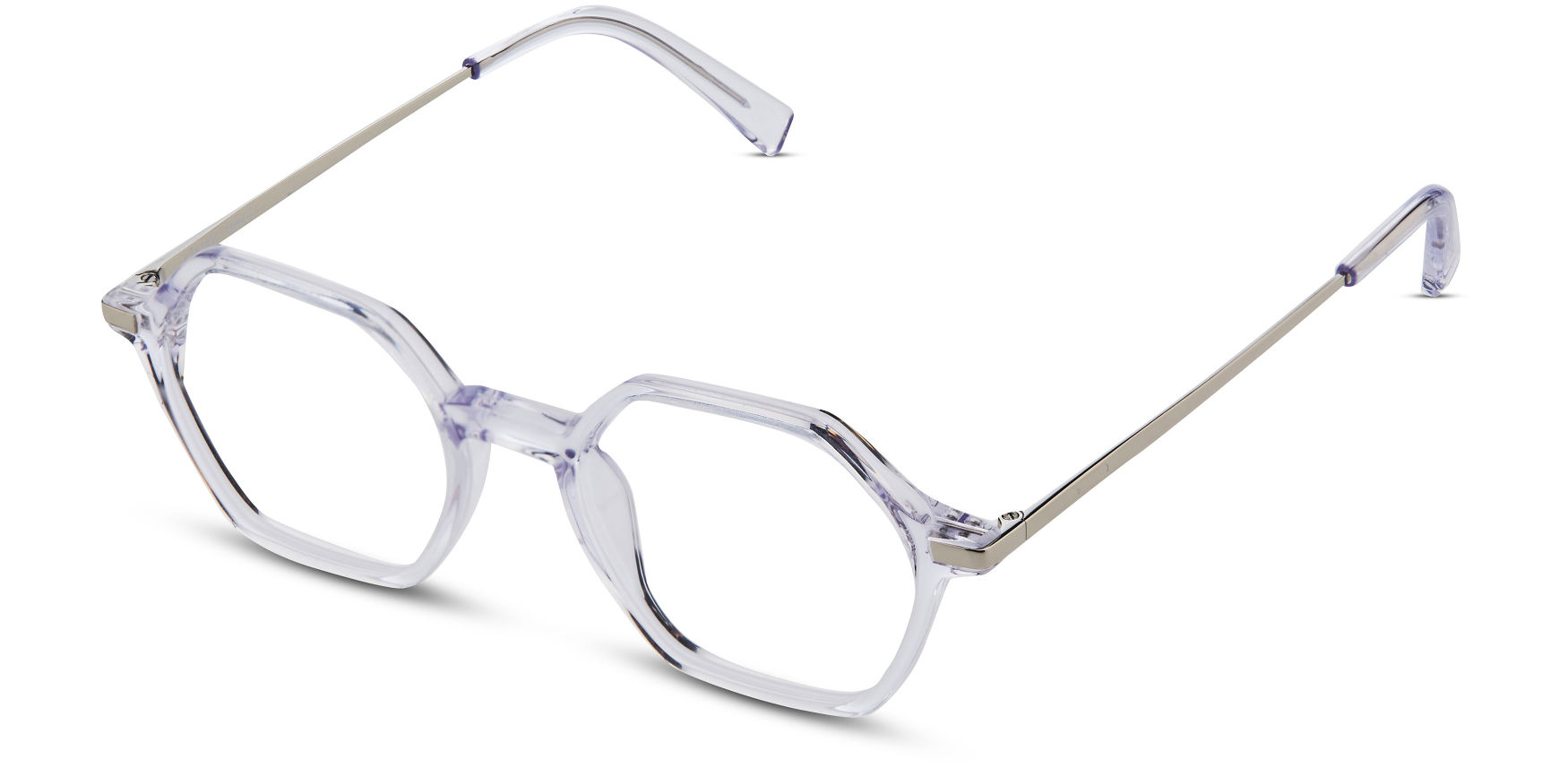
Henry (Crystal)
If your vision feels “almost clear,” a clean, minimalist frame can make your updated prescription feel crisp and distraction-free. Henry is a small fit option with anti-reflective + scratch-resistant coating, backed by a 1-year scratch-free warranty.
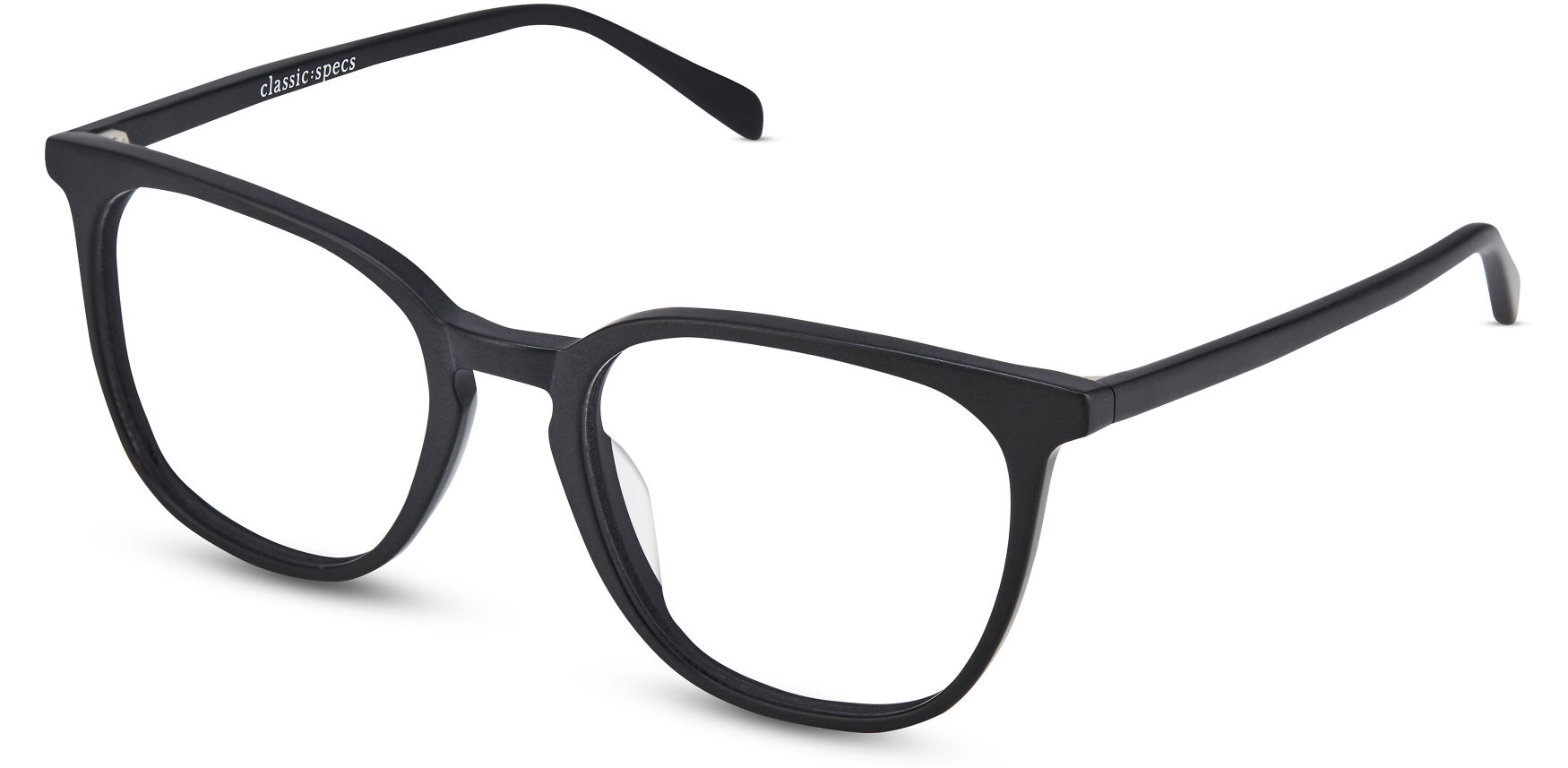
Ashford (Matte Black)
If you’re dealing with screen fatigue or headaches, a comfortable, secure frame fit matters, especially after you update your glasses prescription. Ashford is a medium fit style with anti-reflective + scratch-resistant coating and a 1-year scratch-free warranty, making it a solid “daily driver” pick.
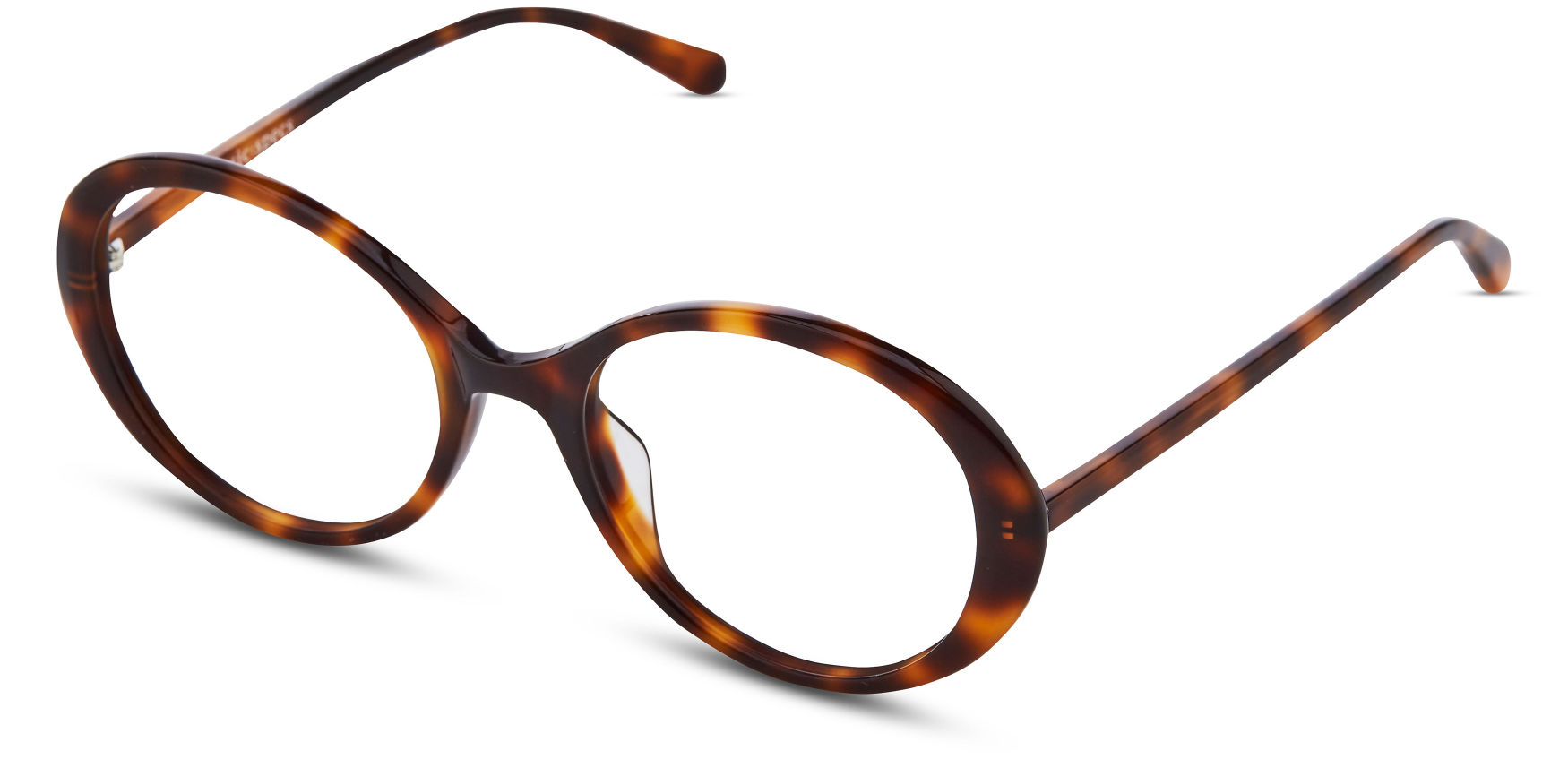
Mae (Brandy Tortoise)
When you’re investing in a new Rx, it’s smart to choose a frame you’ll actually wear every day. Mae’s tortoise look is classic, flattering, and practical. It includes anti-reflective + scratch-resistant coating and a 1-year scratch-free warranty, with a medium fit for comfortable day-to-day use.
Want your updated prescription to feel like a real upgrade? Choose the frame that matches your new Rx and feels comfortable for your daily routine.
FAQs: When to Update Your Glasses Prescription
1.
How often should you get your glasses prescription checked?
Most adults should get an eye exam every 1–2 years, or sooner if symptoms pop up. If you notice blurry vision with glasses, more eye strain, or night glare, it’s a smart sign to check whether you need to update glasses prescription.
2.
Can scratched lenses or a loose frame make your prescription feel “wrong”?
Yes. Scratches, worn coatings, and a poor fit can reduce clarity and increase glare, even if your prescription hasn’t changed. If your frames slide or sit crooked, you may be looking through the wrong part of the lens, which can trigger discomfort and eye strain.
3.
What symptoms mean you shouldn’t wait to book an eye exam?
Book an exam promptly if you have sudden vision changes, severe or persistent headaches, eye pain, flashes/floaters, or worsening trouble seeing at night with glasses. These may not be “just a prescription issue,” so it’s better to get checked quickly.
4.
How long should it take to adjust to a new glasses prescription?
Many people adjust within a few days, but it can take up to about 1–2 weeks, especially with bigger prescription changes or progressives. If dizziness, strong distortion, or headaches don’t improve after several days, contact your eye doctor to re-check the Rx and fit.
5.
Do lens upgrades like anti-reflective or blue-light lenses help after an update?
Anti-reflective coatings often help reduce glare (especially for screens and night driving), which can make updated glasses feel more comfortable. Blue-light lenses may help some people with screen comfort, but your best results usually come from the right prescription plus good screen habits.
Final Takeaway
If you’ve been “making it work” with slightly fuzzy vision, constant squinting, or end-of-day headaches, take that as a sign—not a normal part of life. When your glasses prescription is right, you shouldn’t have to fight for clarity. And if your prescription is still okay, your lenses or frames shouldn’t be the reason your vision feels off.
Disclaimer: This article is for general information only and isn’t medical advice. If you have persistent or sudden vision changes, eye pain, or severe headaches, see an optometrist/ophthalmologist promptly.
Ready to stop squinting and finally see clearly again? Once you’ve updated your Rx, treat yourself to prescription glasses online that feel as good as they look. Browse vintage-inspired eyeglass frames in the Classic Specs prescription glasses collection to stay clear all day and keep strain away.